Adenosine A2B Receptor Promotes Tumor Progression and Metastases in Undifferentiated Pleomorphic Sarcoma
Undifferentiated pleomorphic sarcoma (UPS) is one of the most common—and most aggressive—subtypes of soft tissue sarcoma (STS). Despite optimal treatment in localized stages, nearly half of patients ultimately develop metastatic disease, which drives poor outcomes.

To better understand the mechanisms underlying UPS metastasis, a team led by Prof. Antoine Italiano (Institut Bergonié, University of Bordeaux, INSERM U1312 BRIC) performed an integrated multi-omics analysis of paired primary and metastatic UPS samples, followed by functional validation in relevant patient-derived models.

Spatial biology (Explicyte)


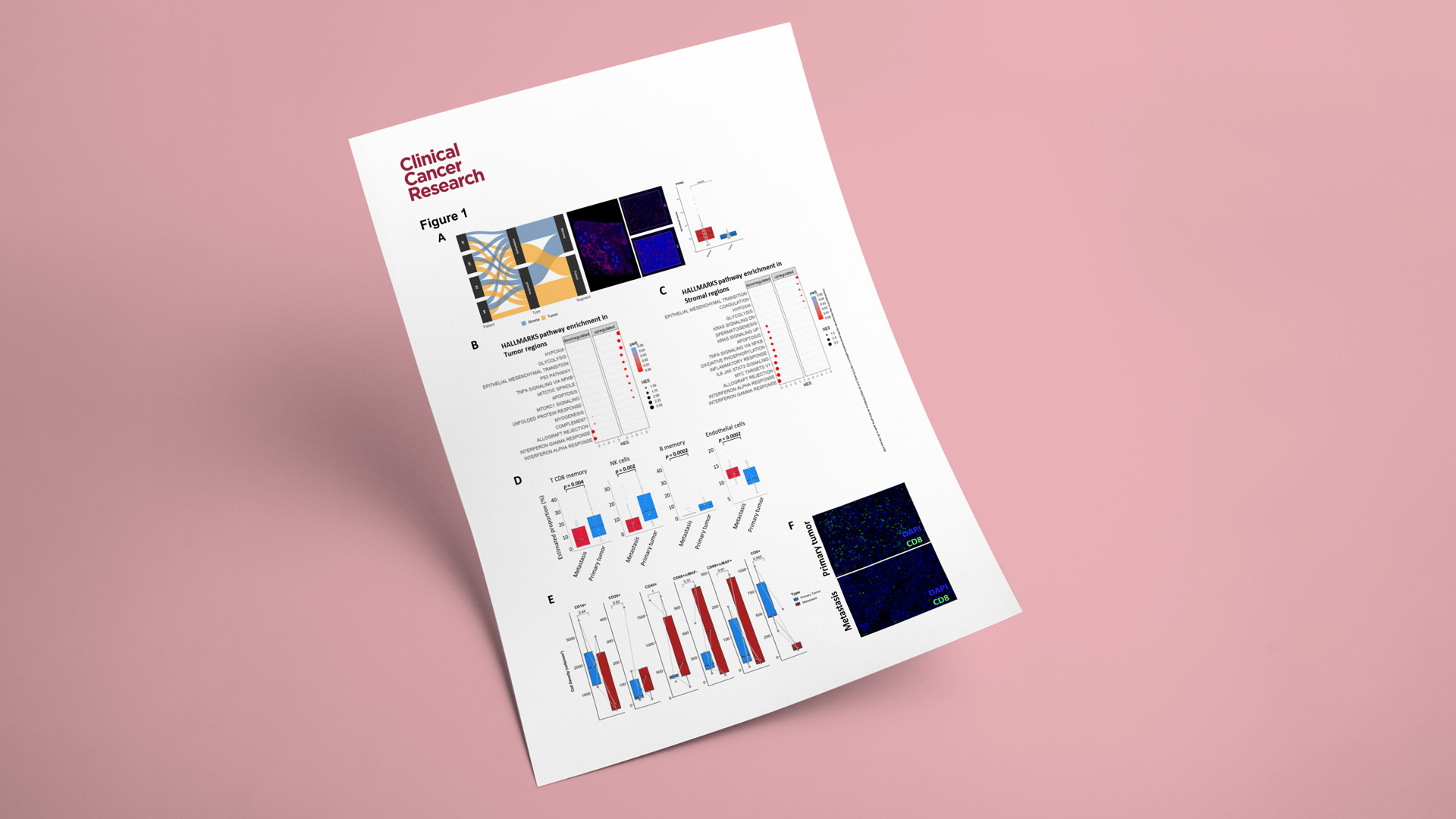
As part of this work, Explicyte performed spatial transcriptomic profiling using the GeoMx Digital Spatial Profiler (Whole Transcriptome Atlas; >18K genes). The spatial analyses were conducted on 3 paired primary tumors and matched metastases enabling a direct comparison of tumor and microenvironmental programs across disease stages.

Key observations included:

  • Upregulation of hypoxia, glycolysis, and EMT-related programs in metastases, consistent with a more aggressive, metastasis-associated biology.

  • Enrichment of endothelial-cell signatures in metastatic samples, suggesting increased angiogenesis compared with primary tumors.

  • Higher immune infiltration in primary tumors (including CD8+ T cells, NK cells, and memory B cells), supporting the notion of a more immune-suppressive / immune-excluded state in metastatic lesions.


To further support these findings, we confirmed a reduction in CD8+ T-cell infiltration in metastases using a multiplex immunohistofluorescence (mIHF) panel in five paired primary/metastatic cases.

Bulk RNAseq


In parallel, the team analyzed paired primary and metastatic tumor samples from 13 patients using bulk RNA-seq to capture global transcriptomic changes associated with metastatic progression. This analysis confirmed an enrichment of metastasis-associated pathways and identified 690 genes significantly altered between primary tumors and metastases. Among the top candidates, ADORA2B emerged as particularly compelling because:

  • ADORA2B encodes a G protein–coupled adenosine receptor (A2B) implicated in metastatic progression in several epithelial cancers,

  • ADORA2B is drug­gable, with inhibitors already being evaluated in clinical development programs.


Using public and third-party sarcoma datasets, the team further showed that ADORA2B is overexpressed in UPS and is associated with features of an immune-suppressive microenvironment in metastatic UPS—supporting ADORA2B as a promising therapeutic target in this indication.

Functional validation


To test whether ADORA2B plays a causal role in UPS aggressiveness, the authors generated ADORA2B knockout models using CRISPR-Cas9 in two patient-derived UPS cell lines.

  • Transcriptomic profiling of ADORA2B-knockout cells confirmed downregulation of key pathways involved in metastatic biology.

  • Functional assays demonstrated that ADORA2B loss reduces UPS cell proliferation, migration, and invasion, supporting a direct role in tumor aggressiveness.


The in vivo impact was then evaluated in Rag2-/- γc-/- mice:

  • In an orthotopic model, tumors derived from ADORA2B-knockout cells showed markedly impaired growth, leading to significantly smaller, low-proliferating tumors compared with controls.

  • In a forced metastasis model (tail-vein injection), ADORA2B-knockout cells produced substantially fewer metastases, translating into a striking survival benefit (100% survival in the knockout arm vs 0% in controls in this experimental setting).


Finally, the team evaluated a dual ADORA2A/ADORA2B inhibitor, M1069 (EMD Serono), currently assessed in early-phase trials. In vitro, M1069 reduced proliferation and invasion in UPS models, providing pharmacological support for the genetic findings.

Impact


Overall, this work identifies ADORA2B as a critical regulator of primary tumor growth and metastatic dissemination in UPS. It also highlights the therapeutic promise of targeting the adenosine axis, and specifically ADORA2B, as a strategy to disrupt metastatic progression and improve outcomes in this rare and aggressive cancer.

Read the paper

Immune control of functional memory CD8 T cells in normal-appearing vitiligo skin
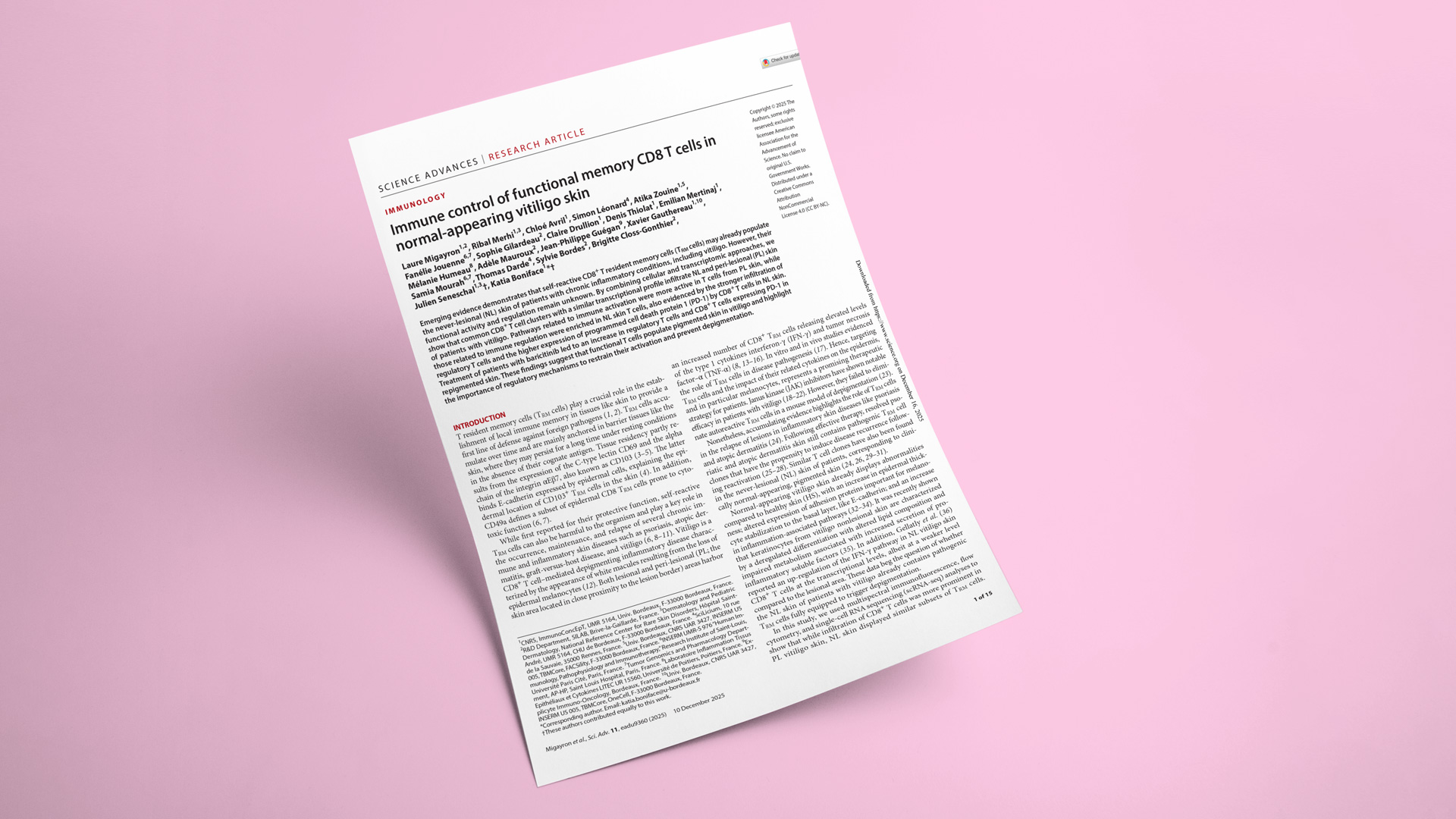
We're glad to announce the publication of an immunology paper led by our colleagues at ImmunoConcEpT (CNRS/Université de Bordeaux) in Science Advances: "Immune control of functional memory CD8 T cells in normal-appearing vitiligo skin."

Using single-cell and spatial transcriptomics profiling of vitiligo patient biopsies, the team demonstrates that similar CD8+ T-cell clusters infiltrate both lesional and non-lesional skin. The difference lies in the “regulatory layer”: normal-appearing skin is characterized by an enrichment in immune regulatory pathways (increased Treg infiltration and higher PD-1 expression on CD8+ T cells), consistent with tighter regulation of inflammation.

Building on the Phase 2 BARVIT trial (NCT04822584), which showed a clinical benefit of baricitinib combined with phototherapy for repigmentation, ImmunoConcEpT partnered with Explicyte to perform a paired pre/post immune profiling of skin biopsies using our automated multiplex IF workflow.

Our multiplex IF data support the proposed mechanism; after 9 months of treatment, non-lesional skin exhibits:

• reduced CD8+ T-cell infiltration
• increased PD-1 on CD8+ T cells and PD-L1 on dendritic cells
• an increased FOXP3+ / CD8+ T-cell ratio

Together, these results highlight the critical role of immune regulatory mechanisms to prevent inflammation & depigmentation in vitiligo.

> Read the article

A second Xenium Explicyte doubles down on single-cell spatial transcriptomics
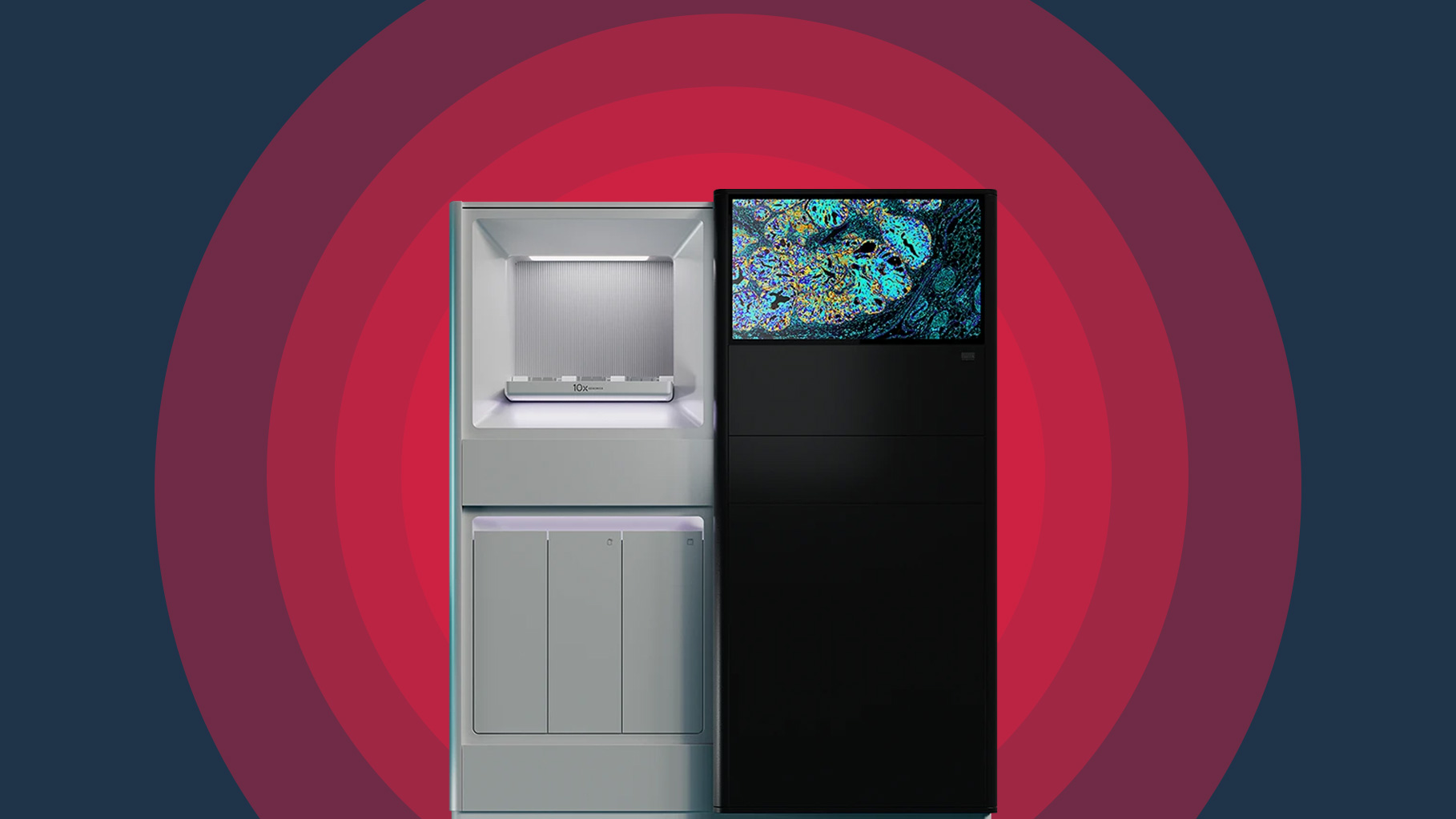
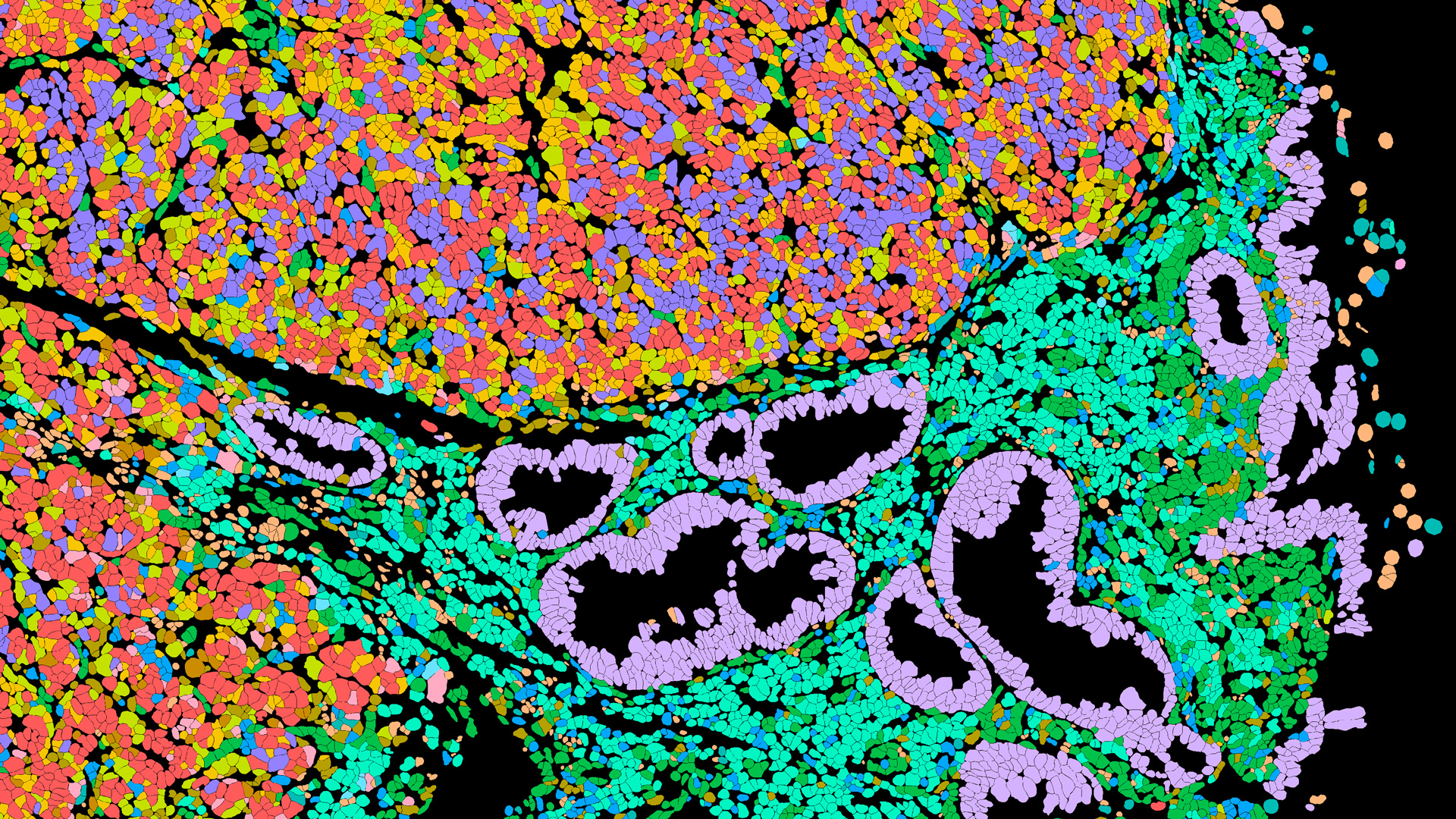
Bordeaux, France — December 3, 2025. A month after receiving the 10x Genomics’ « Certified Service Provider » designation across Xenium, Visium HD, and Chromium X, Explicyte, a French precision oncology contract research organization (CRO), today announced that it has doubled its capacity in single-cell spatial biology with the acquisition of a second Xenium platform.

Explicyte acquired its first Xenium platform in October 2024 to accelerate the discovery of novel targets and biomarkers, and support drug development programmes in oncology through single-cell spatial transcriptomics.

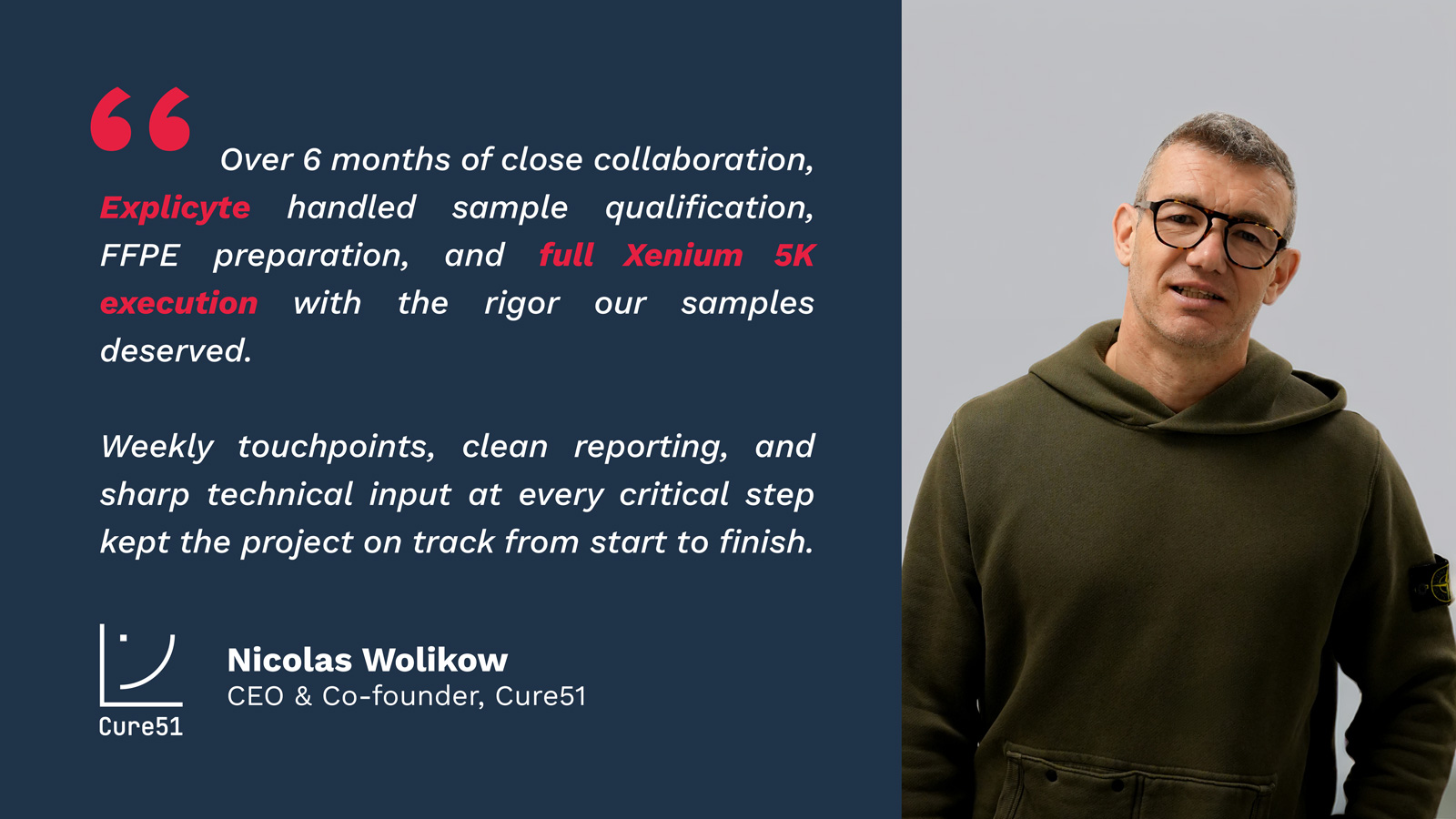
Within a year, the company profiled more than 150 tissue specimens with Xenium, doubled its data science team, announced a partnership with Cure51 for the analysis of tumor samples from exceptional cancer survivors, and developed new methods to use Xenium in the context of cell-based assays.
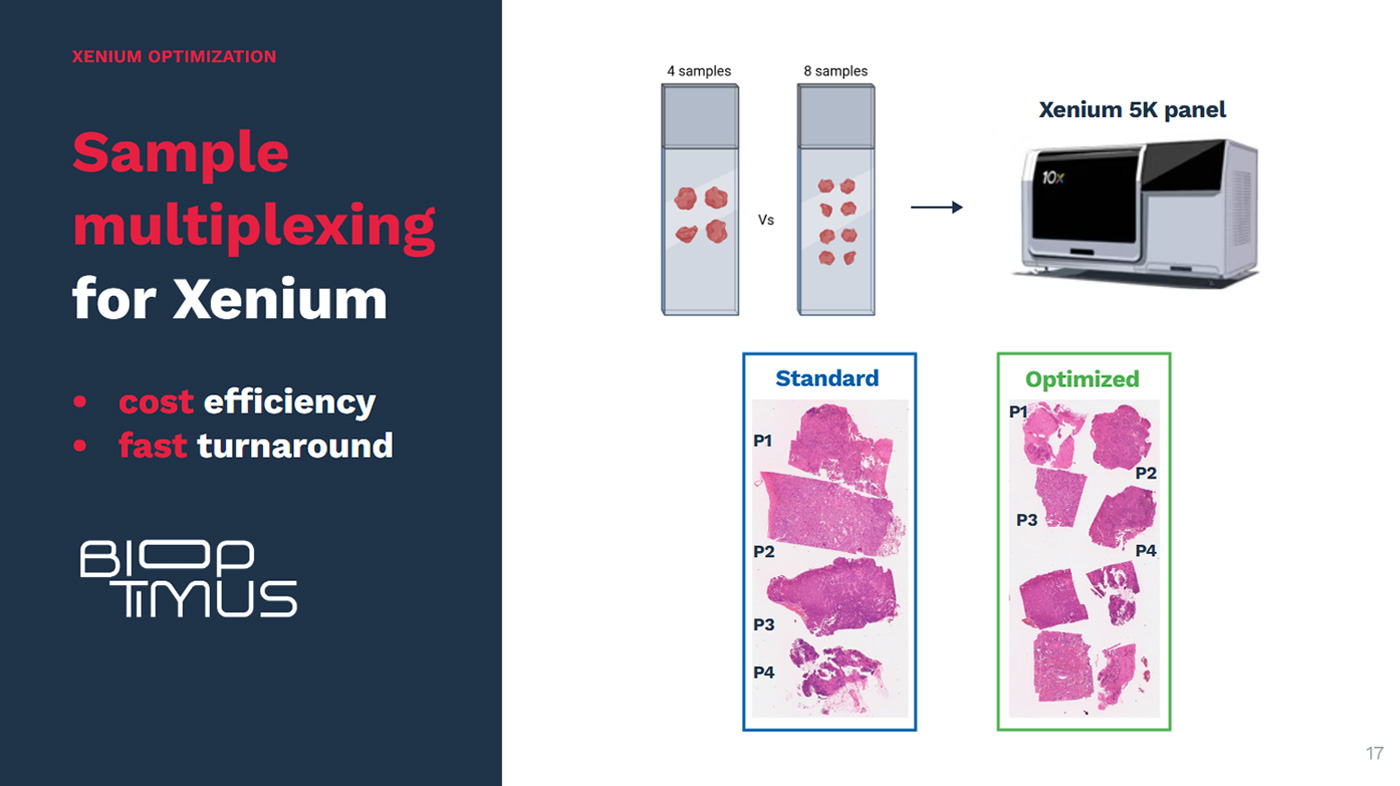
“Despite optimizing the number of samples per run, we still reached our maximum capacity very quickly over 2025. To be able to offer additional slots and ensure fast turnaround times, we needed a second Xenium » said Jean-Philippe Guégan, PhD, Chief Technology Officer at Explicyte. « Our sponsors in the pharma, biotech and AI industry can’t delay their programmes — they look for availability, throughput, and robust data. With this new infrastructure, our message is clear: if you need Xenium data fast and in line with industry standards, Explicyte is your partner of choice.

https://youtu.be/zBbs6uRHXxg

About Explicyte

Explicyte is a preclinical and translational contract research organization specializing in precision oncology. Founded in 2015 by immunologist Dr. Alban Bessède, the company has supported over 100 biotech and pharmaceutical partners in the discovery and development of novel therapies for solid tumors. Based at the Institut Bergonié Comprehensive Cancer Center in Bordeaux, Explicyte brings together a multidisciplinary team of 25 scientists, including cell biologists, digital pathologists, medical oncologists, and data scientists. Over the past five years, Explicyte has co-authored 30+ peer-reviewed publications on the molecular mechanisms of response to cancer immunotherapies.

For more information, visit www.explicyte.com


Press contacts

Explicyte – Pierre-Emmanuel GAULTIER - pe.gaultier@explicyte.com - +33 6 450 600 49
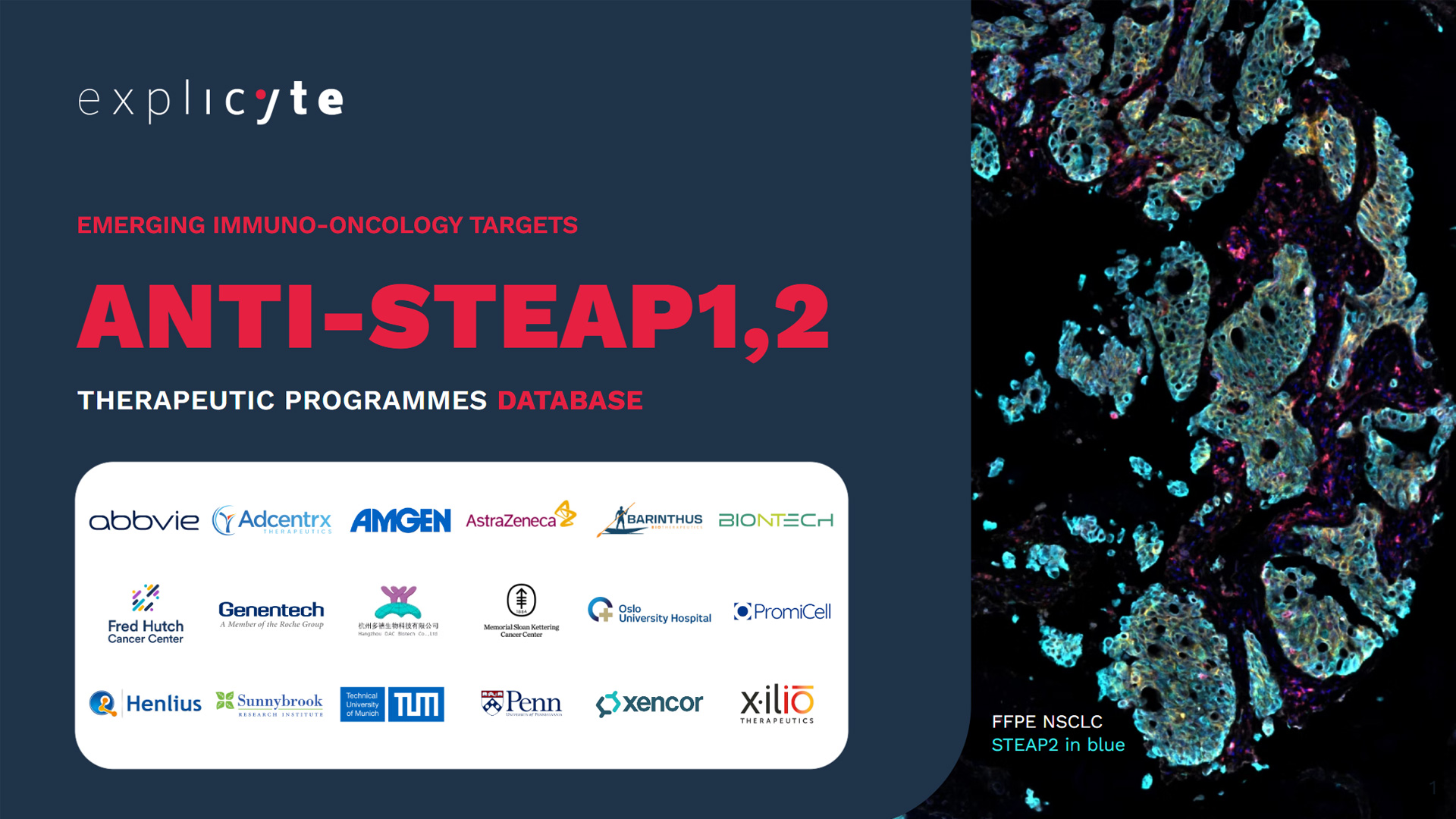
Anti-DLL3 therapeutic programmes - 2025 Database Available

Our 2025 database of anti-DLL3 therapeutic programmes in oncology is available for free download here.


🔬 What’s inside?


✅ 6 DLL3-targeted antibody–drug conjugate (ADC) programmes
✅ 7 bispecific and trispecific antibodies
✅ 4 CAR-T & CAR-NK programmes
✅ 1 preclinical DLL3-targeting radiotherapy (RT) programme


❌ 4 discontinued anti-DLL3 clinical trials


Featuring anti-DLL3 programmes addressing solid tumours from leading players, including:


AbbVie, Amgen, Biocytogen, Boehringer Ingelheim, Chugai Pharmaceutical, CStone Pharma, Dragonfly Therapeutics, Harpoon Therapeutics, Hengrui, IDEAYA, Legend Biotech, MediLink Therapeutics, Merck, Molecular Partners, Novartis, Orano Med, Qilu Pharmaceuticals, Roche, Shanghai Fudan-Zhangjiang BioPharma, Suzhou Suncadia Biopharmaceuticals, Stemcentrx, Zai Lab, Zymeworks, and more!


Explicyte Certified Service Provider Xenium, Visium, Chromium 10x Genomics
French CRO earns Xenium, Visium HD and Chromium X certification from 10x Genomics and deploys industrial-grade spatial biology platform to accelerate biomarker discovery & drug development in oncology, and beyond.

Bordeaux, France — November 4, 2025. Explicyte, a French precision oncology contract research organization (CRO), today announced it has received 10x Genomics’ Certified Service Provider designation across Xenium, Visium HD and Chromium X—making Explicyte the first service provider in France certified to run single-cell spatial transcriptomic studies with Xenium. Since 2019, Explicyte has pioneered the applications of spatial transcriptomics in oncology, to discover new drug targets and biomarkers, contributing to 30+ publications in leading journals, including Nature Medicine, Nature Cancer, Molecular Cancer, and Clinical Cancer Research.

https://youtu.be/zBbs6uRHXxg

A platform built for industry needs


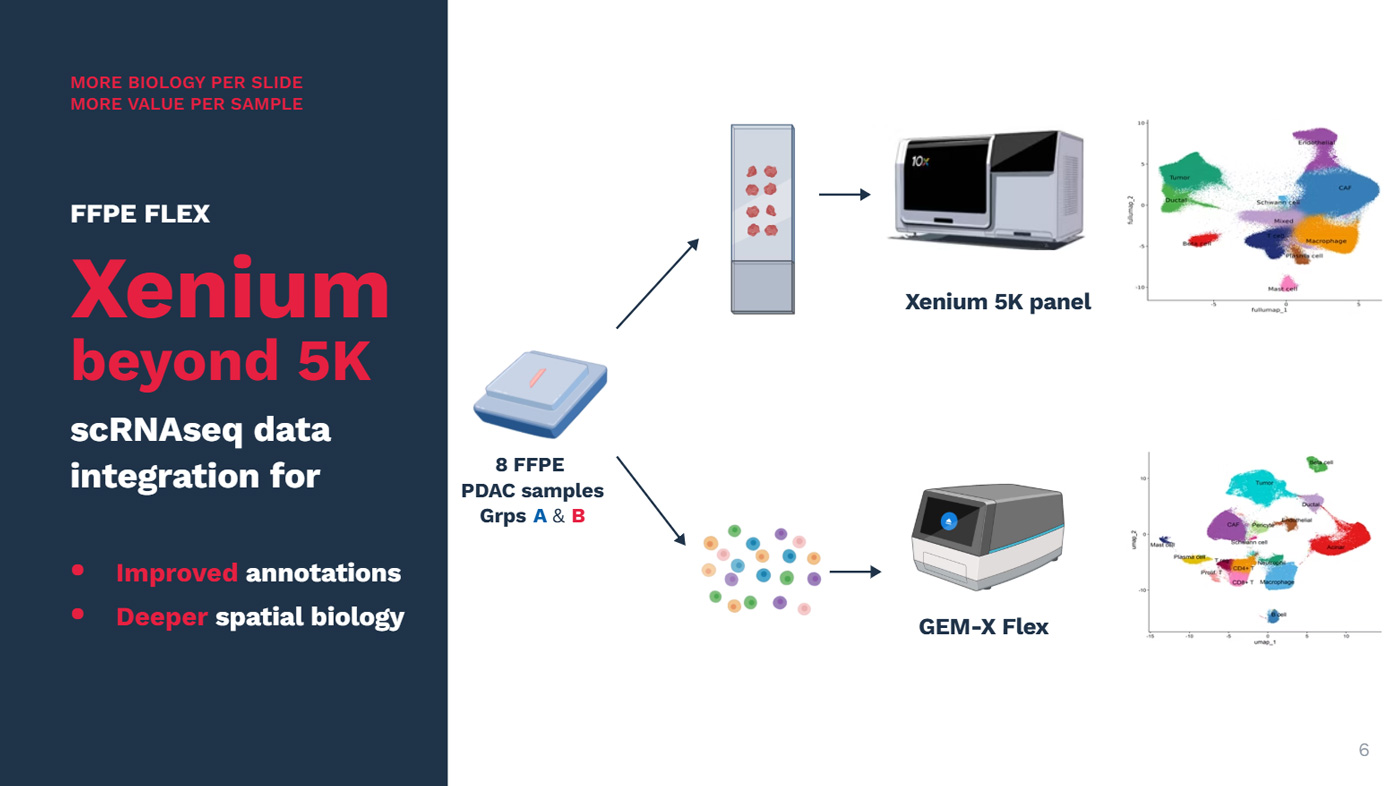
In 2024–2025, Explicyte unified 10x Genomics’ single-cell and spatial biology platforms into an integrated service offering for academic, pharmaceutical, biotechnology, and AI partners in precision oncology.
“An industry-grade spatial biology platform in oncology requires three major things: capacity to meet sponsors’ timelines, quality from samples to final data, and expertise to extract maximum value from precious samples,” said Alban Bessède, PhD, co-founder and CEO of Explicyte. “With that in mind, we integrated 10x technologies into our workflows.

We design studies around each specific sponsor’s scientific question—optimizing multiplexing, platform selection, and panel choices to meet time and budget constraints. We’ve established partnerships with accredited biobanks and pathologists to source and qualify unique human specimens with clinical metadata. Our quality system is aligned to ISO 13485, with certification targeted in 2026. And we’ve reinforced our data-science team and IT infrastructure to process large datasets efficiently. Within this platform, Xenium plays a central role, providing unique insights in both translational and preclinical studies.”

Scaling Xenium in tissue—and extending to in vitro


In 2025, Explicyte analyzed 100+ tissue specimens on Xenium, delivering single-cell spatial insights to uncover new targets, characterize mechanisms of action, and identify predictive and prognostic biomarkers. As a recent example, Explicyte announced a partnership with Cure51, leveraging Xenium to analyze tumor samples from exceptional cancer survivors across 50+ countries.

Beyond tissue applications, Xenium also supports in vitro research. In September 2025, Explicyte released a case study demonstrating precise immunophenotyping alongside gene-expression readouts in a multiplexed, rapid, and cost-efficient Xenium workflow.
“Single-cell resolution opens new vistas on disease biology and drug mechanisms,” added Alban Bessède. “As the first certified Xenium provider within the immuno-oncology CRO space, our mission is to equip biopharma frontrunners with data they can trust - data that de-risk and accelerate their therapeutic pipelines.»


About Explicyte

Explicyte is a preclinical and translational contract research organization specializing in precision oncology. Founded in 2015 by immunologist Dr. Alban Bessède, the company has supported over 100 biotech and pharmaceutical partners in the discovery and development of novel therapies for solid tumors. Based at the Institut Bergonié Comprehensive Cancer Center in Bordeaux, Explicyte brings together a multidisciplinary team of 25 scientists, including cell biologists, digital pathologists, medical oncologists, and data scientists. Over the past five years, Explicyte has co-authored 30+ peer-reviewed publications on the molecular mechanisms of response to cancer immunotherapies.

For more information, visit www.explicyte.com


Press contact

Pierre-Emmanuel GAULTIER - pe.gaultier@explicyte.com - +33 6 450 600 49
Targeting Tregs in Solid Tumors Anti-CCR8 Therapeutics & Translational Insights
The discovery of regulatory T cells (Tregs) was honored with the 2025 Nobel Prize in Medicine, underscoring their central role in immune suppression. In this webinar, we will explore one of the most promising directions in immuno-oncology: CCR8⁺ Tregs. With Domain Therapeutics, a clinical-stage biopharmaceutical company advancing novel GPCR-targeting therapies, and Explicyte, a CRO specialized in translational research and tumor microenvironment analysis, we’ll connect drug design to patient-anchored evidence in solid tumors—showing how CCR8 can serve as both a therapeutic target and a predictive biomarker.

Targeting Tregs in Solid Tumors: Anti-CCR8 Therapeutics & Translational Insights (45-min webinar)


October 28, 2025 I 4 PM CET I 11 AM EDT

Anti-CCR8 Antibodies: From Treg Depletion to Immune Reawakening
Stephan Schann, PhD – CSO, Domain Therapeutics


Dr. Schann will present Domain’s novel differentiated strategy for selective Treg depletion and introduce DT-7012, its clinical Treg-depleting anti-CCR8 antibody candidate. He will outline the clinical rationale for targeting CCR8 in solid tumors, highlight DT-7012’s differentiation from other anti-CCR8 antibodies currently in the clinic, and show how this best-in-class candidate is engineered to overcome immune resistance and deliver durable responses—even in CCL1-rich tumors and anti-PD-1-refractory settings.

CCR8⁺ Tregs and Their Correlation with Immunotherapy Response in Advanced NSCLC
Alban Bessède, PhD – CEO, Explicyte


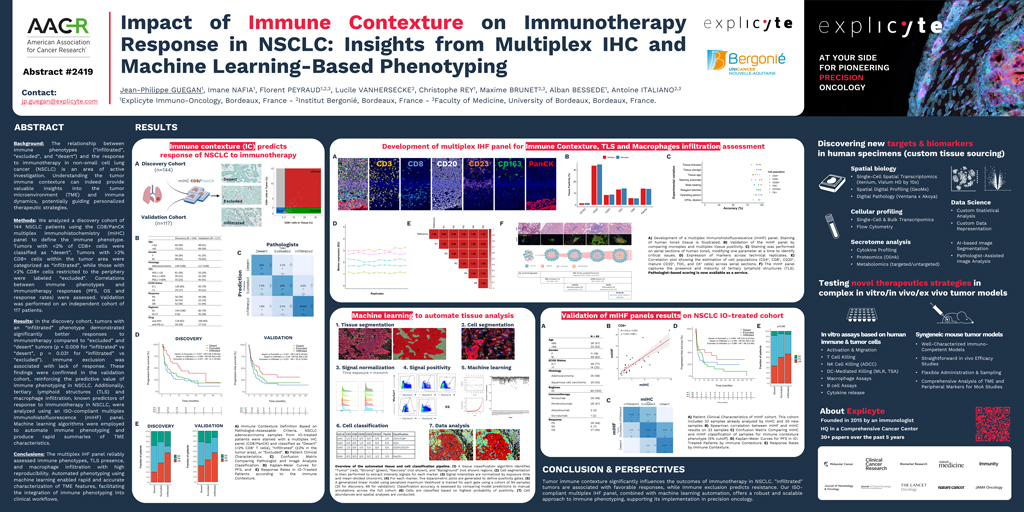
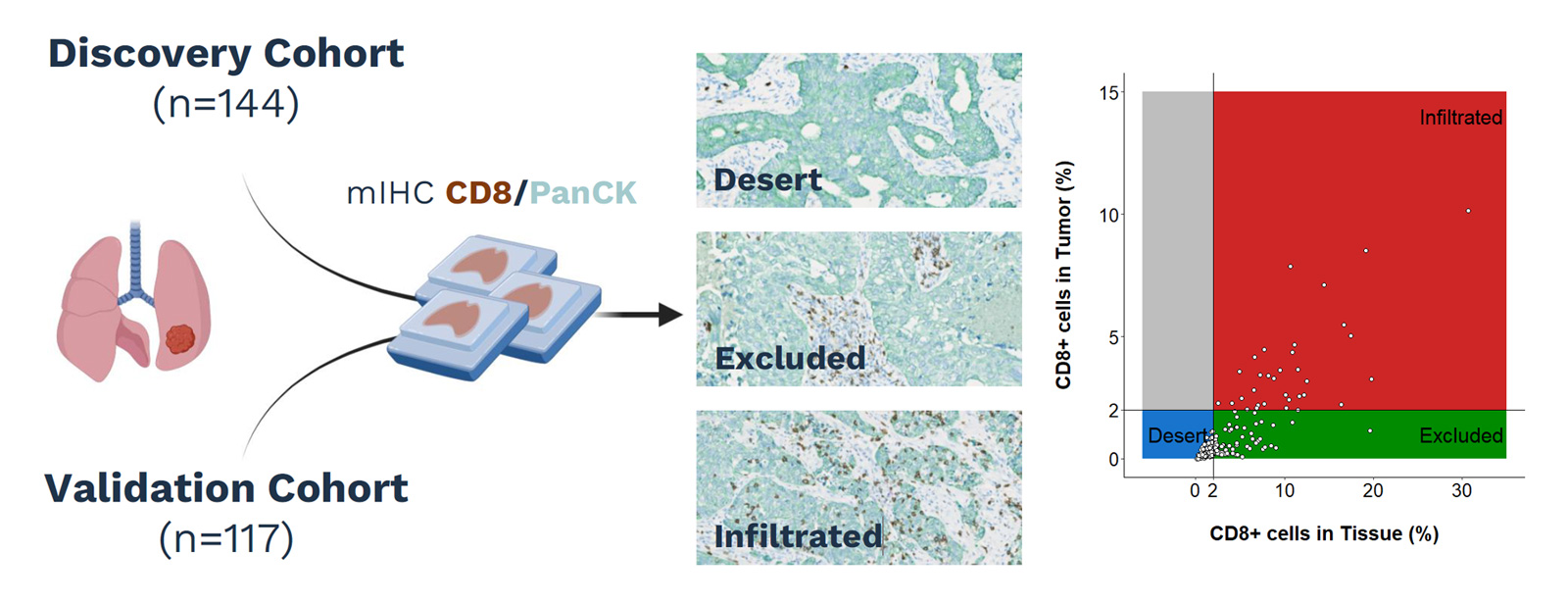
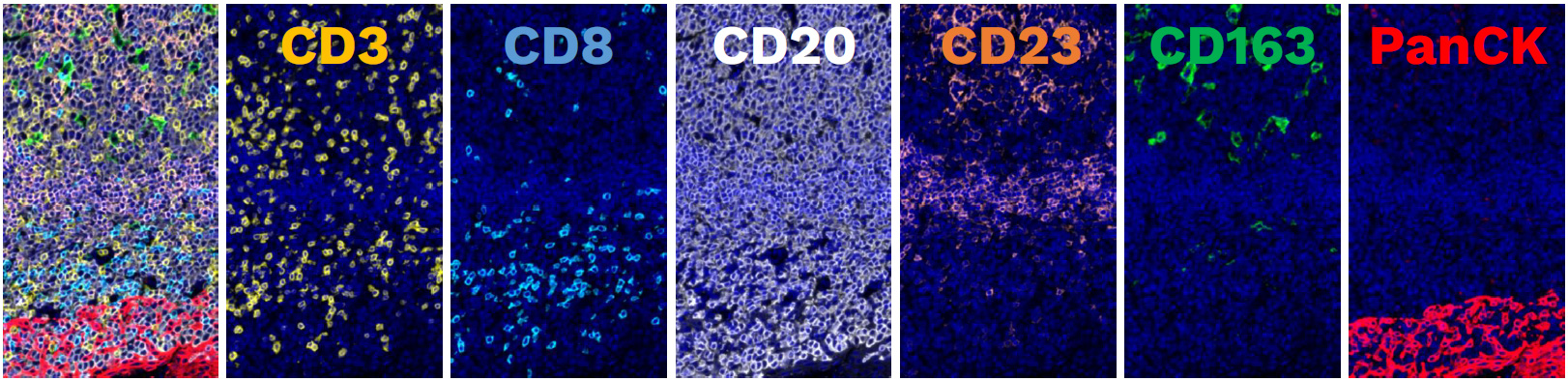
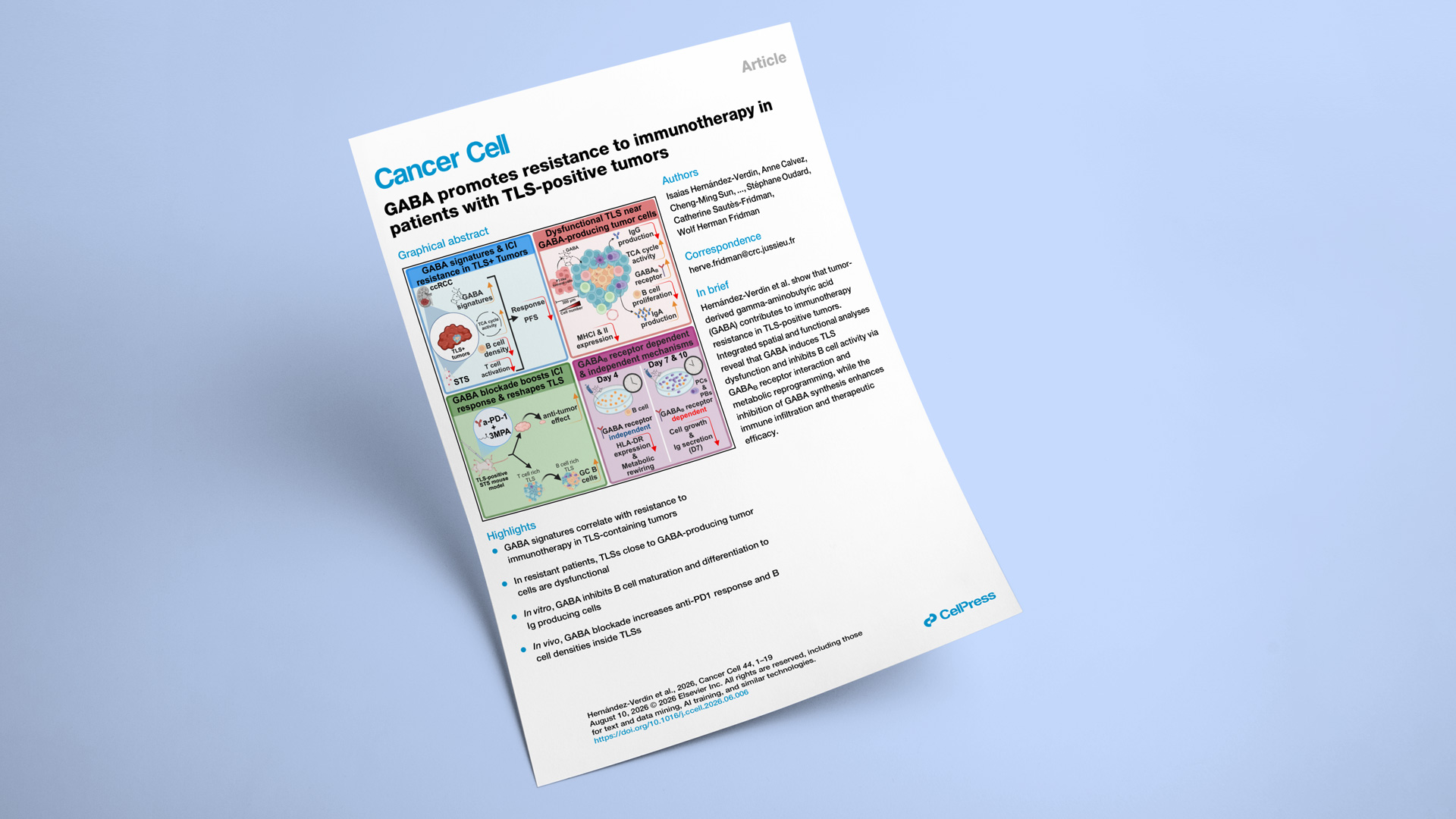
Dr. Bessède will present a collaborative study between Explicyte, Institut Bergonié, Gustave Roussy, and Bayer, analyzing an NSCLC cohort (BIP, NCT02534649) treated with standard-of-care immune checkpoint inhibitors. Using a validated 6-plex IHF panel, CCR8⁺ Tregs were quantified in pretreatment tumor samples and correlated with clinical outcomes (PFS, ORR), immune contexture (inflamed/infiltrated, excluded, or desert), PD-L1 TPS, and TLS status. The analysis highlights the differential predictive impact of CCR8⁺ Tregs in NSCLC, with a specific negative influence in TLS-positive tumors.


👉 Register now


📥 Bonus: Download our free landscape of anti-CCR8 therapeutics in development
anti-B7-H3 & B7-H4 Therapeutics in Oncology – 2025 Database Now Available
Our 2025 Database of Anti-B7-H3/B7-H4 Therapeutic Programmes in oncology is available for free download here.

🔬 What’s inside?
17 Antibody-drug conjugate (ADC) programmes
11 Bispecifics & 2 monoclonal antibodies (mAbs) targeting B7-H3 or B7-H4
✅  6 CART-T & CAR-NK programmes
✅  1 radiotherapy (RT) programme (Phase II) based on an anti-B7-H3 mAb

Featuring anti-B7-H3/B7-H4 programmes from leading players, including:

ABL Bio,  Amgen, Anhui Anke Biotechnology, AstraZeneca, BioNTech, Bio-Thera Solutions, Biocytogen, Cullinan Oncology, Daiichi Sankyo, Dartsbio Pharmaceuticals, DualityBio, Five Prime, GSK, Hansoh Pharma, Harbour BioMed, Iksuda Therapeutics, LigaChem Biosciences, Mabstone Biotechnologies, MacroGenics, Maverick Therapeutics, MediLink Therapeutics, Memorial Sloan Kettering Cancer Center, Merck, Mersana Therapeutics, Minghui Pharmaceutical, NextCure, Pfizer, Seagen, Synaffix, lonza, Takeda, Xencor, Y‑mAbs Therapeutics - and more!

 
Xenium for drug development: Analyzing cancer survivors, profiling lead compounds

Wondering how single-cell spatial transcriptomics can fit into and support drug development pipelines?
Alban Bessède, PhD, CEO of Explicyte, and Paloma Cejas, PhD, Chief of Biology at Cure51, will share their insights during a webinar organized by 10x Genomics on September 30th, 2025:


“Xenium for drug development: Analyzing cancer survivors, profiling lead compounds.”


👉 Join us for this webinar!


Discover our expertise:


2025 anti-CCR8 therapeutic programmes database Explicyte
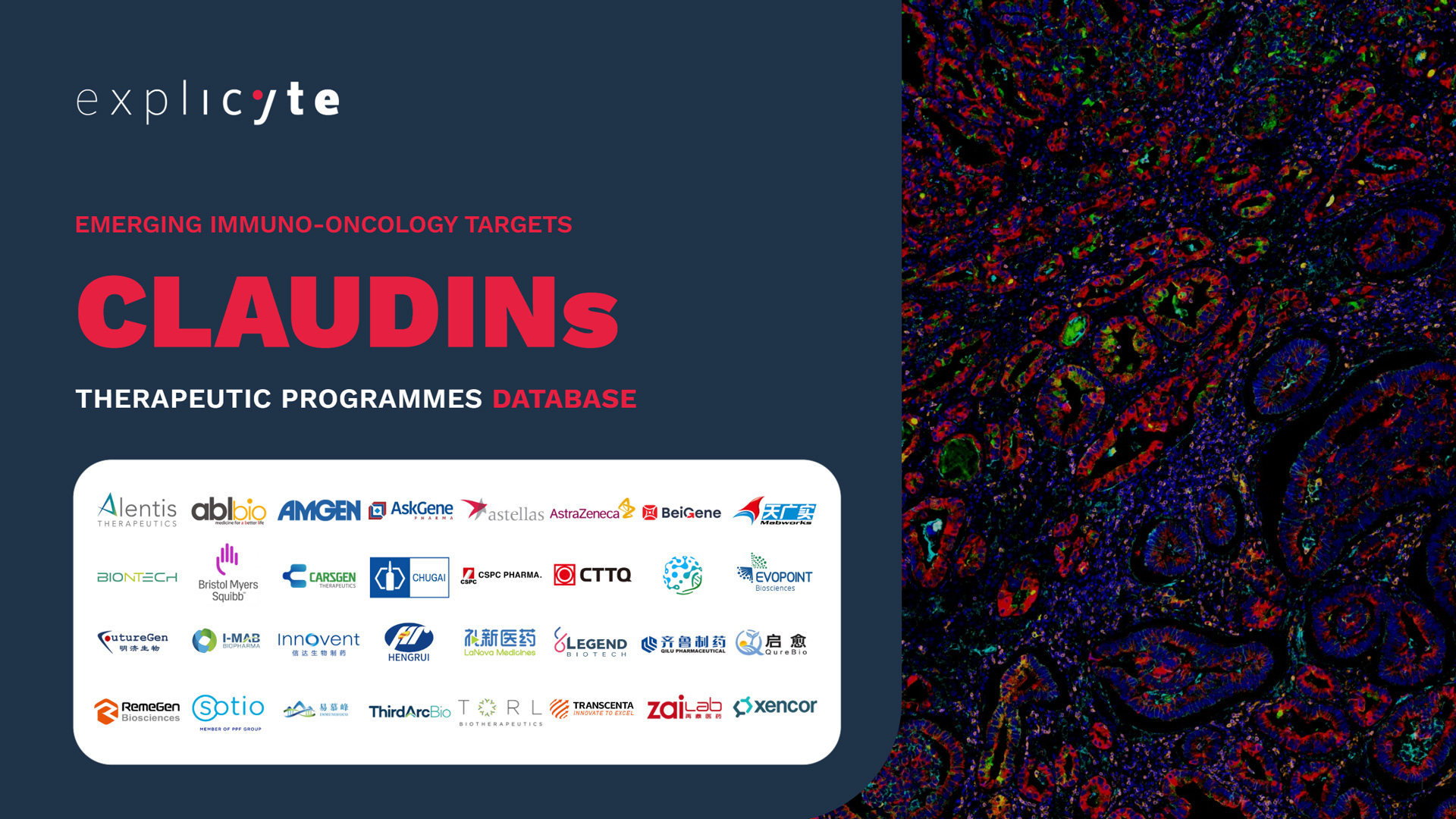
Our 2025 Database of anti-CCR8 Therapeutic Programmes is available for free download here.

🔬 What’s inside?
✅ 10+ preclinical programmes
✅ 15+ clinical trials
✅ Diverse modalities: mAbs, bispecifics, CAR-T cells, ADCs, and small molecules

Featuring anti-CCR8 programmes from:
AbbVie, Abilita Therapeutics, Inc., Actinium Pharmaceuticals, Inc., Amgen, Bayer, BeiGene, BioNTech SE /Biotheus, Bristol Myers Squibb / ONO PHARMACEUTICAL CO., LTD., Chinese Academy of Sciences, Coherus Oncology / Surface Oncology, DOMAIN Therapeutics, Egle Therapeutics, FibroGen, Inc. / HiFiBiO Therapeutics, Genentech / Roche, Gilead Sciences / Jounce Therapeutics, Inc., Harbour BioMed, HC Biopharma, LaNova Medicines / Sino Biopharmaceutical Limited, Mabwell, Immunophage Biotech Co. Ltd., Oncurious NV, Qilu Pharmaceutical / Sound Biologics, Shionogi & Co., Ltd, Tiannuojiancheng Pharma InnoCare Pharma, University of Science and Technology of China, Zai Lab, Zelgen Biopharmaceuticals, and more!
TLS induction MSKCC Cancer Cell
New paper out in Cancer Cell ! This collaboration with the Memorial Sloan Kettering Cancer Center (MSKCC), led by David Knorr and colleagues, shows that an Fc-optimized CD40 agonist (2141-V11), delivered intratumorally, can induce tertiary lymphoid structures (TLS) and drive systemic antitumor immunity—with complete responses reported in melanoma and breast cancer.

Beyond the headline result, these findings reinforce a key idea: TLS can be pursued as a therapeutic objective—with the right engineering and delivery, CD40 agonism can reprogram the tumor microenvironment into a self-sustaining immune ecosystem.

Explicyte supported this work with multiplex IHF staining, enabling direct visualization of TLS formation in tumor tissue. This study highlights how our translational research platform helps partners measure and interpret the impact of new immunomodulatory agents—from TLS induction and maturation to dendritic-cell activation, HEV density, and chemokine programs—leveraging spatial biology + multiplex IHF with integrated analytics.

Explore our translational research platform

WordPress Lightbox