

At your side
to pioneer
precision oncology
therapies

We are a specialty contract research organization offering research services in precision oncology & immuno-oncology.
Based in France, we have assisted international biotech, AI, and pharma companies, as well as comprehensive cancer centers for the past 10 years.










Our expertise in cancer immunotherapies
Preclinical services
Assessing the efficacy, MoA & safety profile of drug candidates in advanced cellular models.
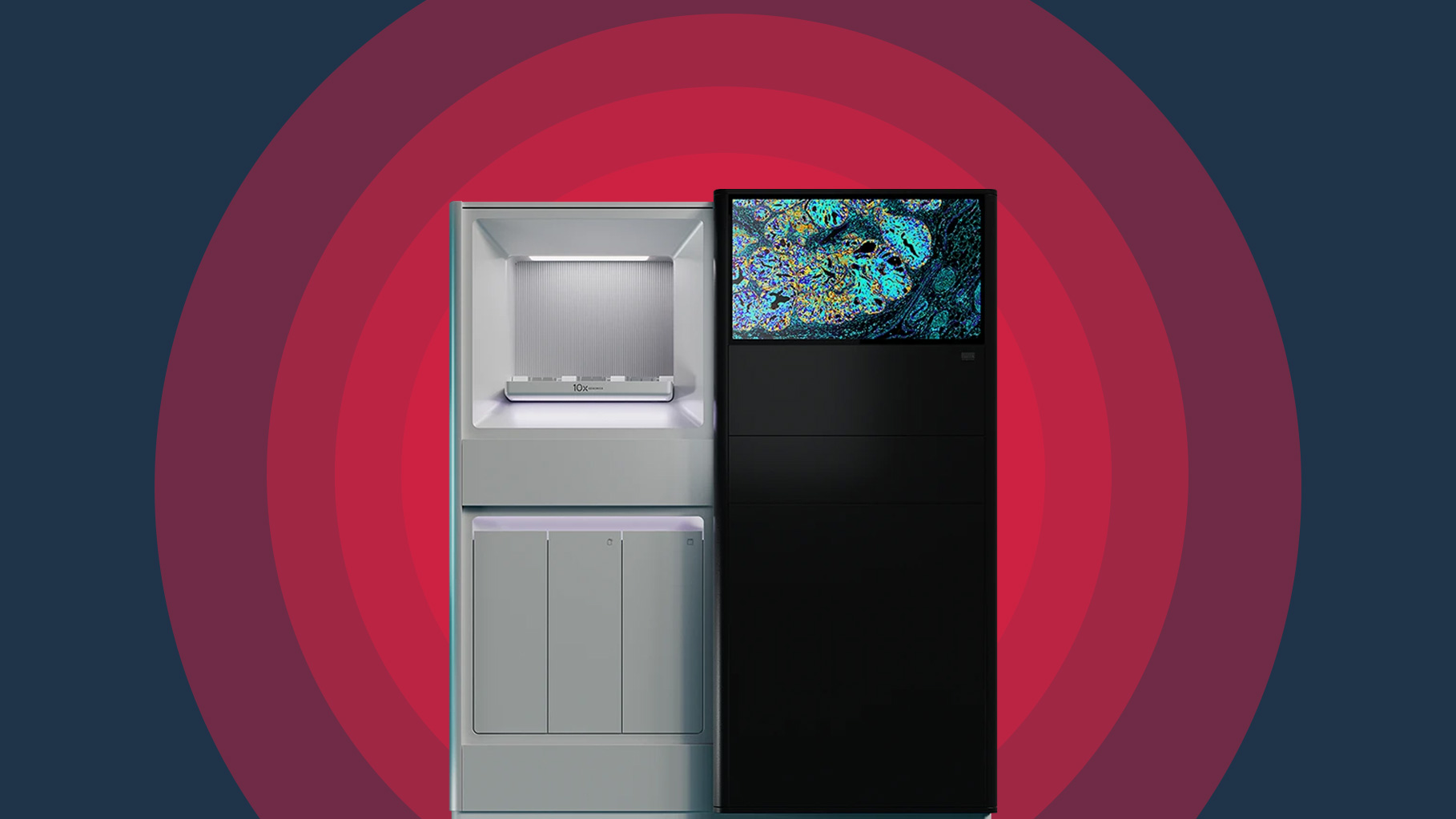
What Atera brings
Atera measures the whole transcriptome directly in intact tissue, at single-cell resolution, across both human FFPE and fresh-frozen samples. For discovery and translational programs, that means:
- Whole-transcriptome depth — profile the full transcriptome spatially (>18K genes), rather than a fixed target panel.
- Single-cell resolution — resolve expression cell by cell within the tissue architecture.
- Cohort-scale throughput — 4 slides per run, to move from single specimens to full cohorts.
"Atera is a step change in spatial transcriptomics we weren't going to wait on. It pairs whole-transcriptome depth and single-cell resolution with the throughput to run large cohorts — which is exactly what clinical research and AI-ready dataset generation demand. For that work, I see it becoming the reference technology."
— Alban Bessède, PhD, CEO, Explicyte
Why Explicyte for your first runs on Atera
- Trusted 10x Genomics service provider Explicyte is a certified 10x Genomics service provider across Xenium, Visium HD, and Chromium X, with the workflow experience to bring the same standard to Atera.
- Easy logistics for EU samples Based in France, we make sample shipping and return straightforward for European teams. We can also help source cohorts of interest through our French biobank network.
- Expert sample prep and QC Our pathologists handle histopathological review, and we run systematic RNA quality control so nothing is wasted on unusable material.
- Flexible pilot slots While standard Atera runs typically comprise four slides, Explicyte gives you the option to run a single slide in 2026, enabling you to evaluate the technology cost-effectively before scaling up.
- In-house data science team Our data science team built a proprietary workflow for QC, cleaning, annotation, and analysis of 10x Genomics datasets — ready to apply to your Atera data.
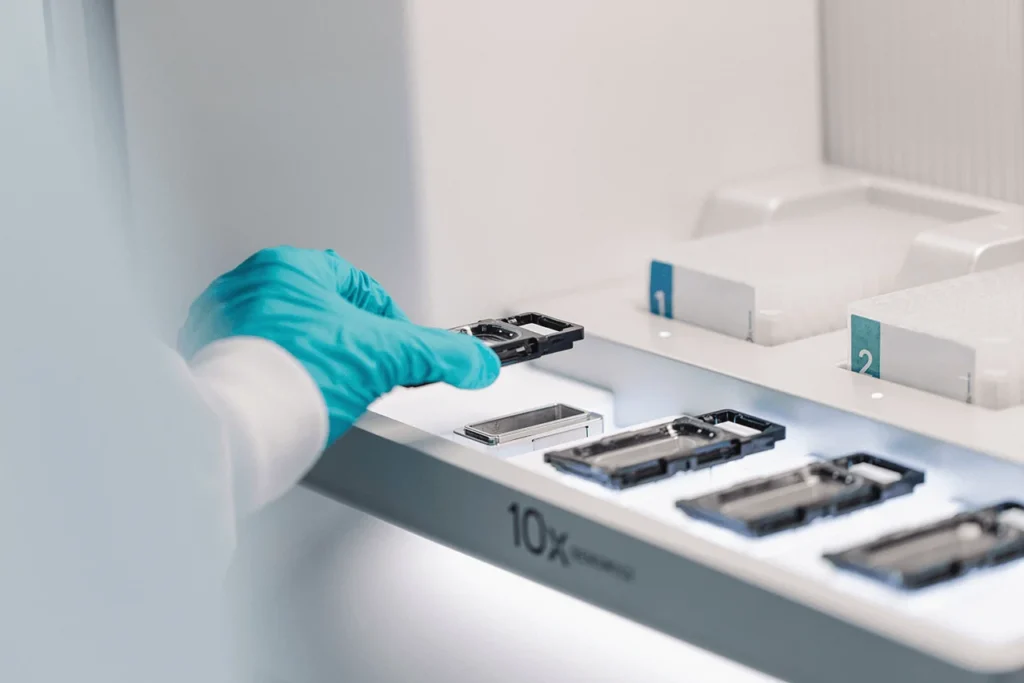
Is this for you?
You may be a good fit for an early Atera slot if you want to test whole-transcriptome depth early on:
- Human FFPE tissue or tissue microarrays
- Human fresh-frozen tissue
Reserving now secures capacity in the 2026 queue and lets us scope your project ahead of time.
Reserve your slot
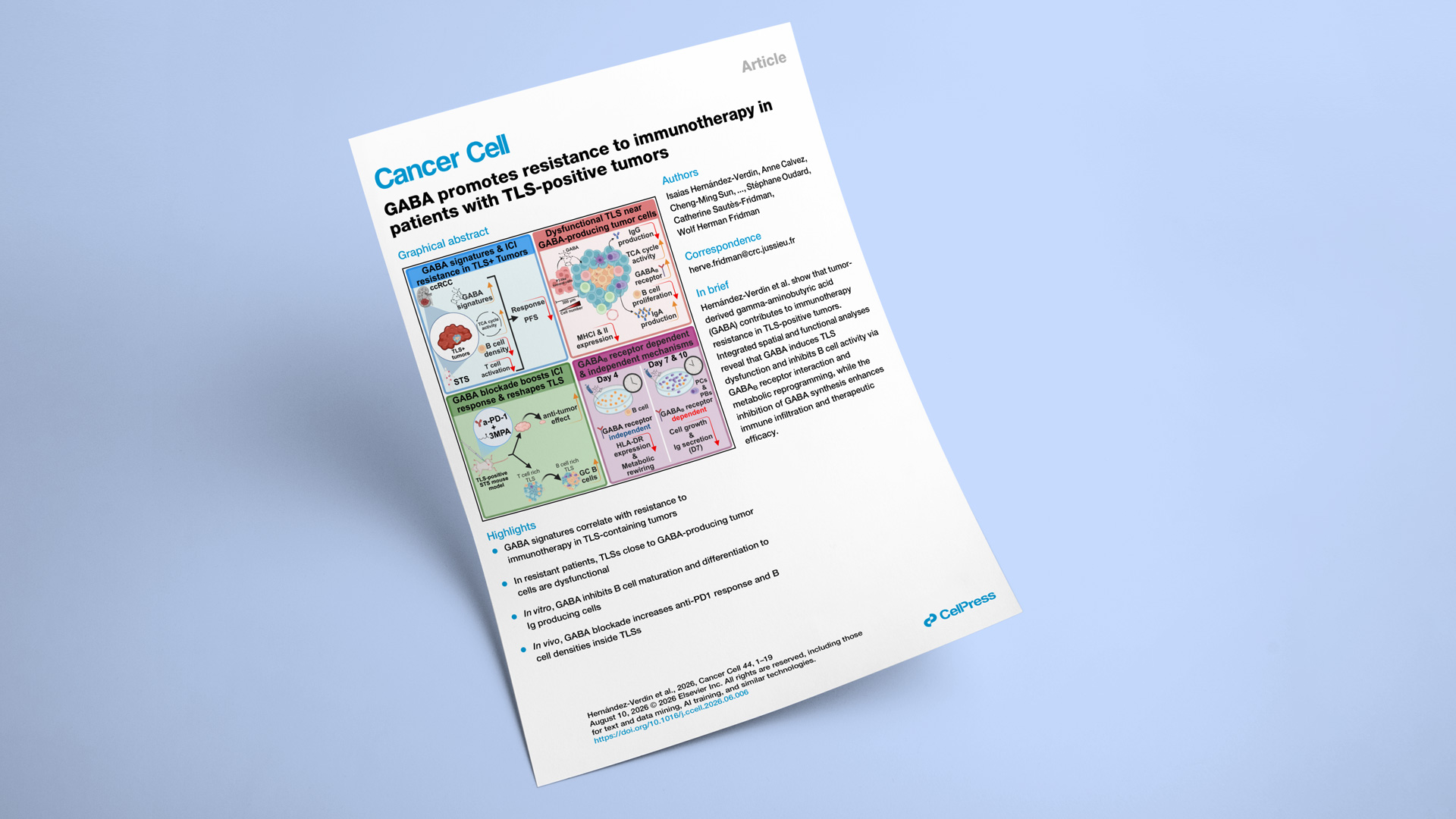
Explicyte co-authors Alban Bessede and Jean-Philippe Guégan contributed to transcriptomic analysis in this Cancer Cell paper. The study also incorporated the TLS-selected PEMBROSARC soft-tissue sarcoma cohort and used the Immusmol anti-human GABA antibody IS1006 for tissue analyses. Led by the Centre de Recherche des Cordeliers, the collaboration connected renal cancer and sarcoma clinical cohorts with spatial and functional models of B-cell immunity.
The question: Why do some TLS-positive tumors resist immune checkpoint blockade — and can targeting GABA restore response?
KEY STEPS
Define a GABA resistance signature
The team analyzed 58 TLS-positive tumors from ICI-treated patients in the BIONIKK clear cell renal cell carcinoma cohort, including 31 responders and 27 nonresponders. Screening 9,321 MSigDB signatures plus 33 curated signatures identified GABA synthesis, transport, secretion, and receptor pathways among the strongest features of resistance. Using the GABA ccRCC signature, 85% of GABA-high patients were nonresponders versus 26% of the GABA-low group (P = 2.39 × 10⁻⁶), with significantly shorter progression-free survival (P = 0.0069).
Map dysfunctional TLS neighborhoods
Visium spatial transcriptomics profiled 19 BIONIKK tumors — 10 from nonresponders and nine from responders — alongside multiplex staining in 58 tumors and highplex immunofluorescence in nine. GABA synthesis localized mainly to ACE2-positive, proximal tubule-like malignant cells. Across 109 TLS-annotated regions, TLSs from nonresponders showed reduced plasma-cell, IgG, antigen-presentation, and cytotoxic programs, while GABA-receptor and TCA-cycle activity increased.
Test GABA on human B cells
Purified human B cells were differentiated toward plasmablasts and plasma cells in the presence of 100–1,000 μM GABA. Across five donors and six experiments, GABA reduced HLA-DR expression at day 4 (P = 0.016), while later assays showed lower proliferation and reduced IgM and IgG secretion without a corresponding loss of viability. The GABAB-receptor antagonist saclofen partially rescued cell growth and immunoglobulin production, supporting both receptor-dependent and metabolic mechanisms.
Validate the signal in sarcoma
The PEMBROSARC Strate 6 analysis included 13 patients with metastatic, TLS-positive soft-tissue sarcoma treated with pembrolizumab and low-dose cyclophosphamide. A 13-gene GABA STS signature containing GAD1 and GABA-receptor genes was significantly enriched in nonresponders (P = 0.0016). All seven GABA-high patients were nonresponders, compared with one of six GABA-low patients (P = 0.0046), with a trend toward shorter progression-free survival (P = 0.077).
Block GABA synthesis in vivo
In the TLS-forming MCA-OVA syngeneic sarcoma model, the GAD67 inhibitor 3-mercaptopropionic acid had little effect alone but enhanced anti-PD-1 activity. The combination reduced tumor weight by approximately 75% versus control, and B-cell depletion weakened this benefit. Compared with anti-PD-1 alone, combination treatment increased the intra-TLS B-to-T-cell ratio from 2.68 to 8.07 and raised proliferating Ki67-positive B-cell density 3.7-fold (P = 0.019).
Impact
GABA emerges as more than a correlative biomarker: it is a spatially organized metabolic resistance mechanism that suppresses B-cell function inside tumor-associated TLSs. The findings also show why detecting TLSs alone may not be sufficient to predict immunotherapy response.
Read the paper
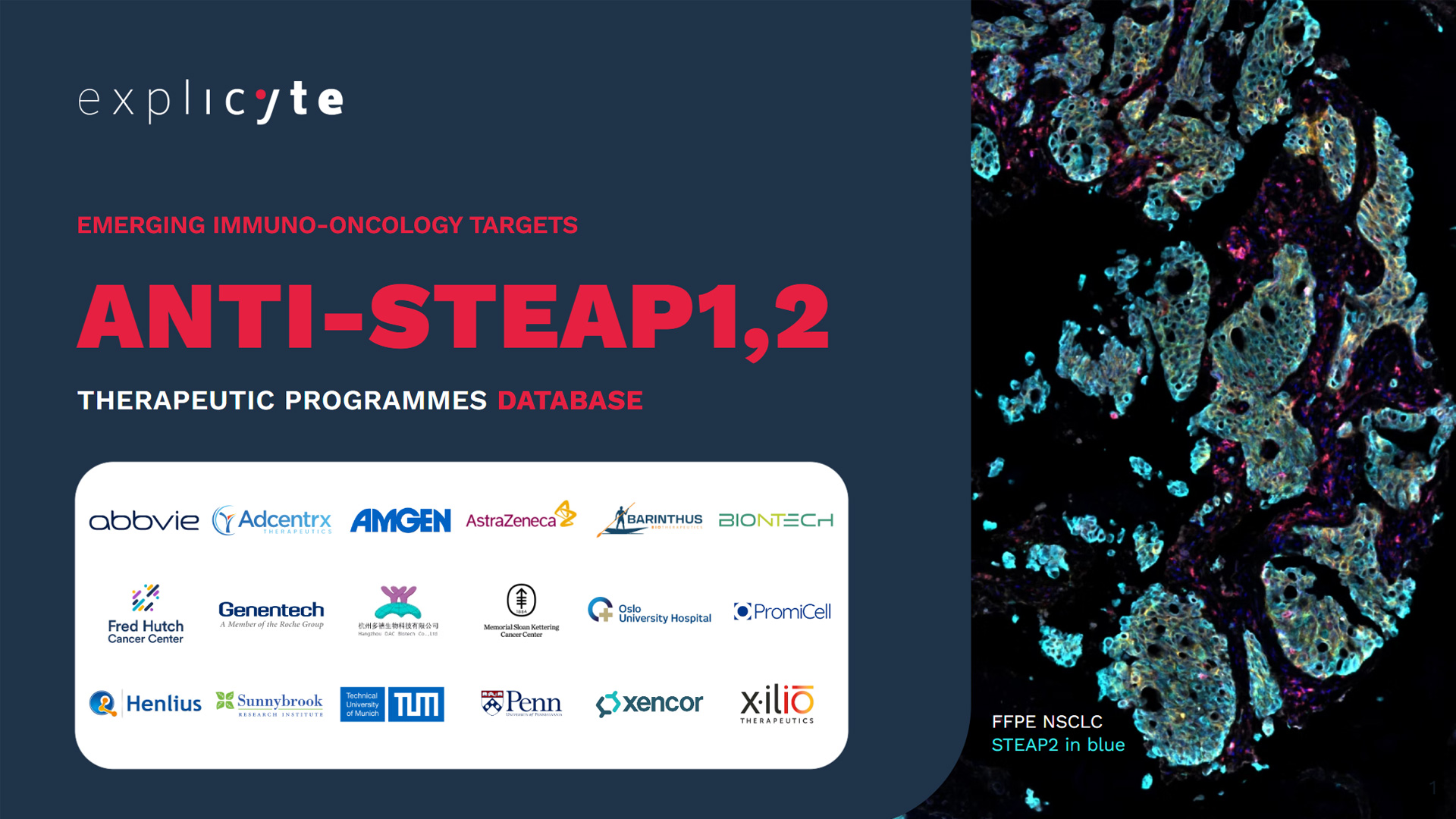
👉 Download the free-access database (2026 edition)
Why STEAP1 and STEAP2?
STEAP1 (Six-Transmembrane Epithelial Antigen of Prostate 1) and its homolog STEAP2 are cell-surface metalloreductases overexpressed in several solid tumors, with a particularly well-documented expression profile in prostate cancer. Their restricted expression in normal tissues, combined with their accessibility at the plasma membrane, makes them attractive targets for a broad range of therapeutic modalities — from antibody-drug conjugates (ADCs) to T-cell engagers, CAR-T cells, and cancer vaccines.
What's inside the database?
This 2026 edition compiles publicly disclosed therapeutic programmes targeting STEAP1 and/or STEAP2, with the following highlights:
- Therapeutic modalities: monoclonal antibodies (mAbs), antibody-drug conjugates (ADCs), bispecific and trispecific antibodies, CAR-T cell therapies, and cancer vaccines
- 14 preclinical-stage programmes
- 15 clinical-stage programmes: Phase I/II (14), Phase III (1)
- Cancer indications covered: prostate, lung, gastrointestinal cancers, Ewing sarcoma, and osteosarcoma
The database includes programmes from leading pharmaceutical companies, biotechs, and academic centers, including AbbVie, Adcentrx Therapeutics, Amgen, AstraZeneca, Barinthus Biotherapeutics, BioNTech, Genentech, Henlius, Xencor, Xilio Therapeutics, Memorial Sloan Kettering, the University of Pennsylvania, and others.
How Explicyte supports anti-STEAP programmes
At Explicyte Immuno-Oncology, we partner with precision oncology teams across the full drug development pipeline:
- Target discovery & validation in FFPE tissue samples, leveraging custom FFPE cohorts, single-cell & spatial transcriptomics, and target expression studies by digital pathology
- IO cell-based assays to profile the efficacy and safety of novel modalities — including ADCs, multispecifics, and vaccines
- Clinical trial support through biomarker analysis and early pharmacodynamic signal detection in solid and liquid biopsies
Help us keep the database current
Missing a programme? Spotted an update? Send it our way and we'll keep the database updated.
👉 Access the anti-STEAP1/2 database

👉 Download the full presentation
The challenge: spatial transcriptomics at scale
Single-cell spatial transcriptomics is now a production tool in oncology. But scaling Xenium campaigns runs into the same three constraints every time: a finite panel size, per-sample cost, and turnaround time.
Our "Smarter Xenium" framework addresses all three — on real FFPE tumor cohorts, with measurable results.
Case study 1 — Xenium beyond 5K
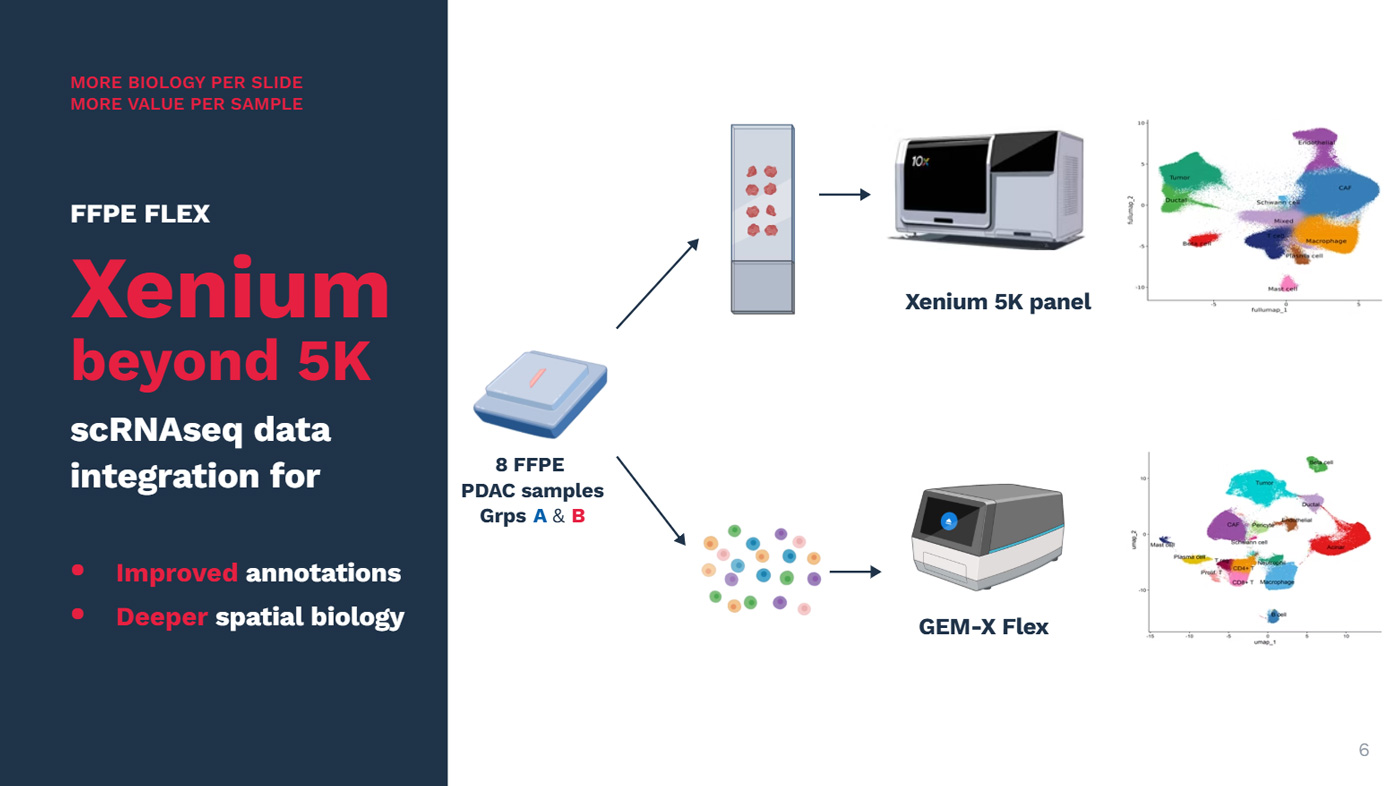
On a cohort of FFPE PDAC samples, we tested whether matched scRNAseq data could unlock biology hidden from the Xenium 5K panel.
By integrating scRNA-seq data with Xenium, we substantially improved cluster annotation and resolved cell populations that were partially merged in the standard Xenium analysis — including B-cell populations, for example.
The rationale is straightforward: scRNA-seq provides greater transcriptomic depth and more powerful differential gene expression analysis, while Xenium preserves the spatial context. By using the matched scRNA-seq dataset as a reference, we were able to infer richer transcriptomic information onto Xenium spatial coordinates, enabling a deeper biological characterization of the tissue while still addressing key spatial questions such as cell localization, neighborhood organization, and tumor microenvironment architecture.
Altogether, the combination of scRNA-seq and Xenium represents a strong asset for deep spatial biology, bringing together transcriptomic depth, improved cell annotation, and spatially resolved interpretation.
Case study 2 — Sample multiplexing with Bioptimus
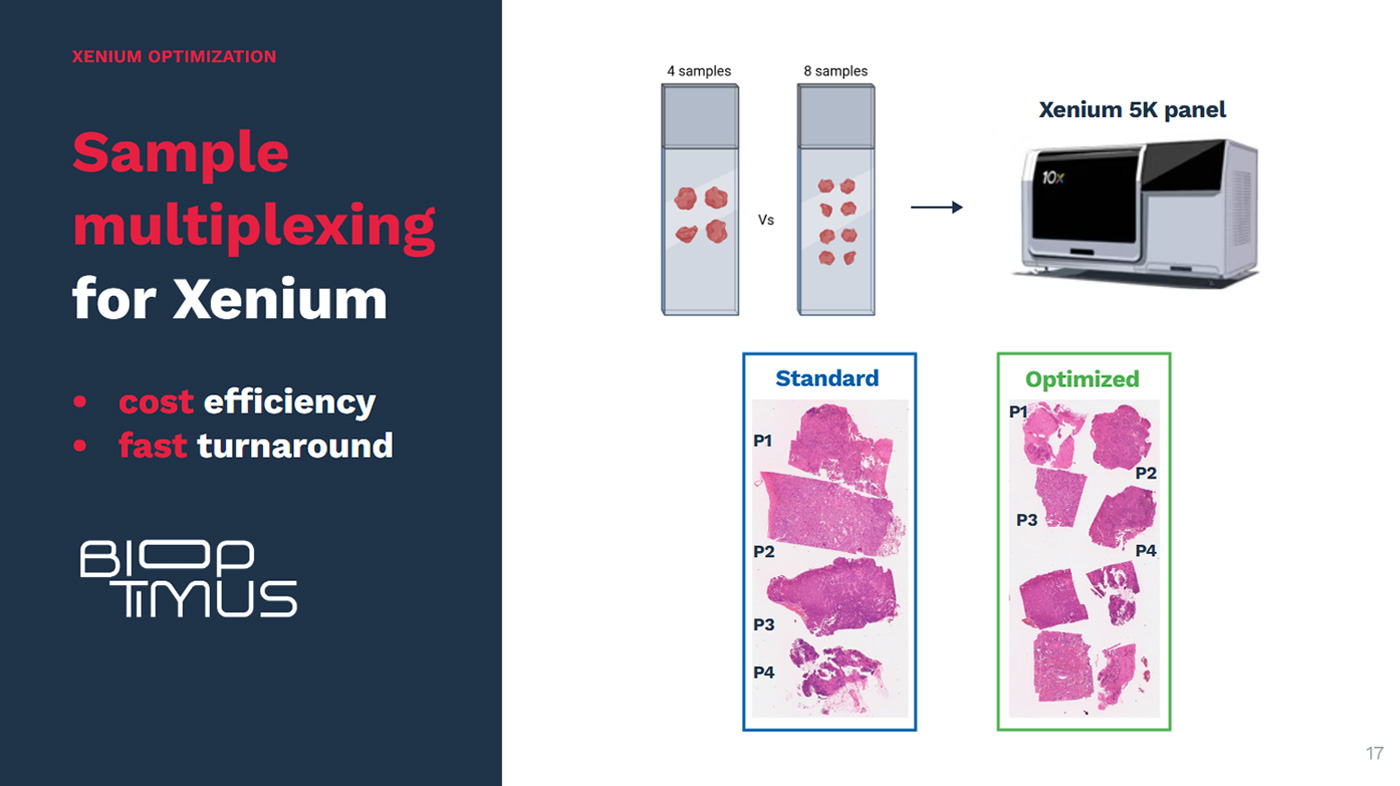
The second case study, in partnership with AI company Bioptimus, addresses cost and throughput head-on.
We doubled the number of FFPE samples per Xenium slide and ran a rigorous head-to-head against the standard format. Across QC metrics, cell-type proportions, and gene expression profiles, the data held up — with sample-to-sample correlations between formats reaching near-perfect agreement.
The implication: cohort-scale spatial transcriptomics is now faster and more cost-effective.
Download the full presentation
Full methods, validation data, and results from both case studies:
👉 Download "Smarter Xenium: More Biology per Slide, More Value per Sample"
About Explicyte
Explicyte is a preclinical and translational CRO specializing in precision oncology, with 10+ years of experience and 40+ peer-reviewed publications in immuno-oncology. As a 10x Genomics Certified Service Provider across the full single-cell and spatial biology portfolio — Chromium X, Visium HD, and Xenium — we help pharma and biotech sponsors turn FFPE tumor samples into actionable biological insight: from new target and biomarker discovery to biospecimen analysis in early-phase clinical trials.
Interested in applying these approaches to your program? Get in touch with our team.
Who we are
At Cure51, we study a rare and fascinating question: why do some patients survive the most aggressive cancers, far beyond all expectations?
Our Rosalind study focuses on metastatic pancreatic ductal adenocarcinoma (PDAC), one of the deadliest cancers, and specifically on the exceptional survivors within this population.
Our challenge
To understand what sets PDAC survivors apart biologically, we needed to go deep: Xenium 5K spatial transcriptomics on 100+ FFPE samples, capturing gene expression directly within tissue architecture.
These samples are rare. Irreplaceable. And central to everything we're building. That's why choosing the right partner mattered enormously and why we turned to Explicyte.
What Explicyte did
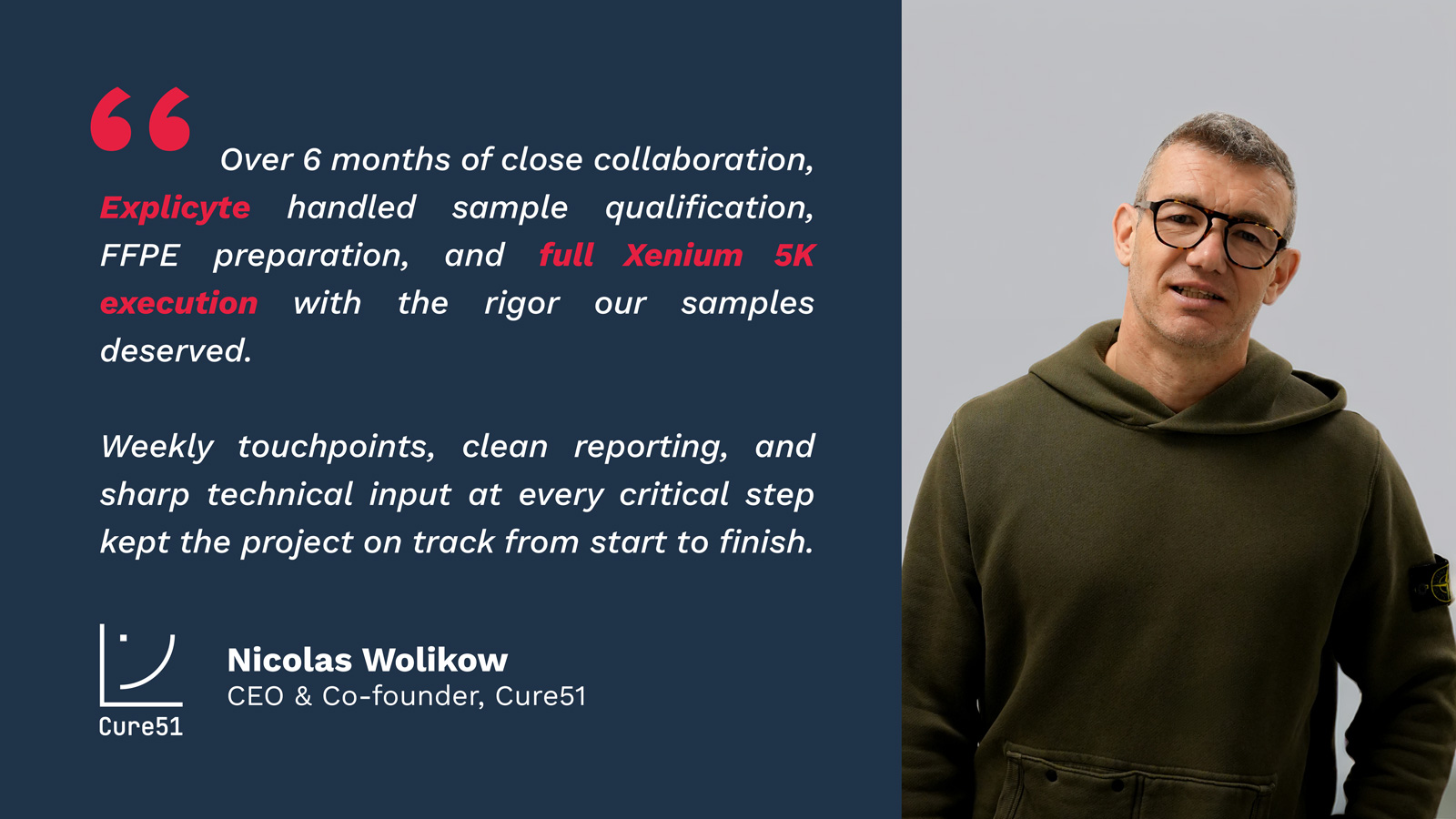
Over six months of close collaboration, their team handled sample qualification, FFPE preparation, and full Xenium 5K execution with the rigor these samples deserved.
Weekly touchpoints, clean reporting, and sharp technical input at every critical step kept the project on track from start to finish.
The outcome
The result? High-quality data, delivered on time and we're already putting it to work.
We are now actively exploring this unique spatial dataset and have identified new targets of interest in PDAC. This is exactly the kind of insight that can open new paths for patients who currently have very few options.
A big thank you to the Explicyte team for their expertise and partnership throughout this study. This is the kind of collaboration that turns ambitious science into tangible progress. 🙏
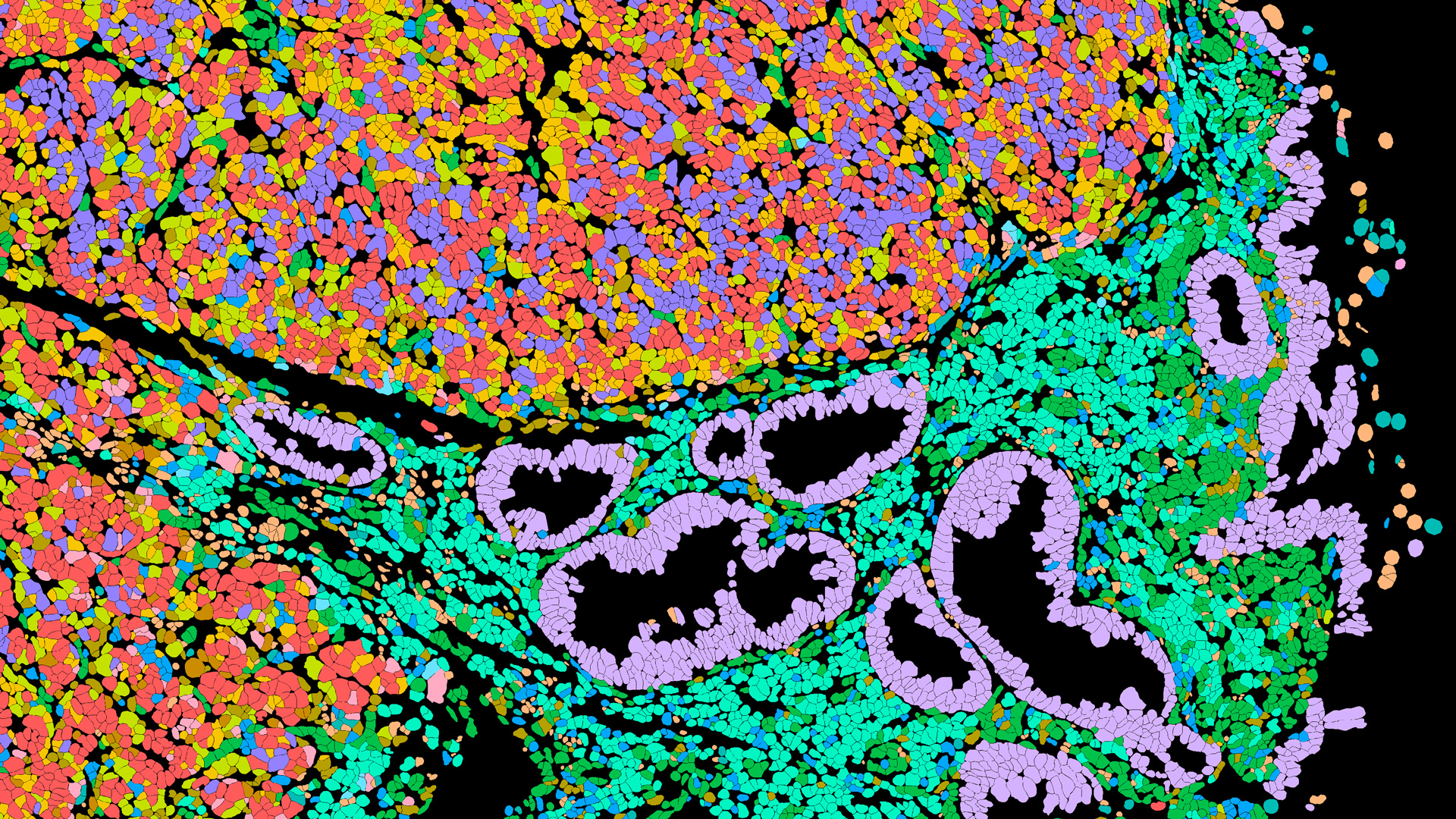
Since 2025, Explicyte has been a 10x Genomics Certified Service Provider across Xenium, Visium HD, and Chromium X platforms. Most of our single-cell and spatial transcriptomics projects using 10x Genomics platforms are performed on FFPE tumor tissues with Flex workflows. This combination allows to unlock the value of large retrospective tissue samples and connect molecular profiles with metadata such as pathological annotations, treatment history, and patient outcomes.
However, datasets generated with 10x Genomics platforms are complex. Single-cell and spatial transcriptomics data are dense, but they can also be noisy and difficult to interpret without dedicated bioinformatics expertise. When internal resources are limited, data analysis can become a bottleneck at the final stage of a study, delaying biological interpretation and decision-making.
In this short presentation, Jean-Philippe Guégan, Chief Technology Officer at Explicyte, explains how our data science team processes and interprets datasets generated with 10x Genomics platforms.
In a nutshell, at Explicyte, our data science services provide:
- Fast turnaround
Custom data analysis reports delivered within 4 weeks. - AI-supported workflows with human expertise
A team of 5 on-site data scientists delivers tailored reports combining robust computational pipelines with biological interpretation. - Strong expertise in FFPE-based oncology
Our team has extensive experience analyzing FFPE tumor samples across single-cell, spatial transcriptomics, and digital pathology workflows, as illustrated by our latest publications.
Beyond 10x Genomics datasets, our data science team can also analyze raw data from Bulk RNA-seq & GeoMx DSP and digitized pathology slides (IHC/IF).
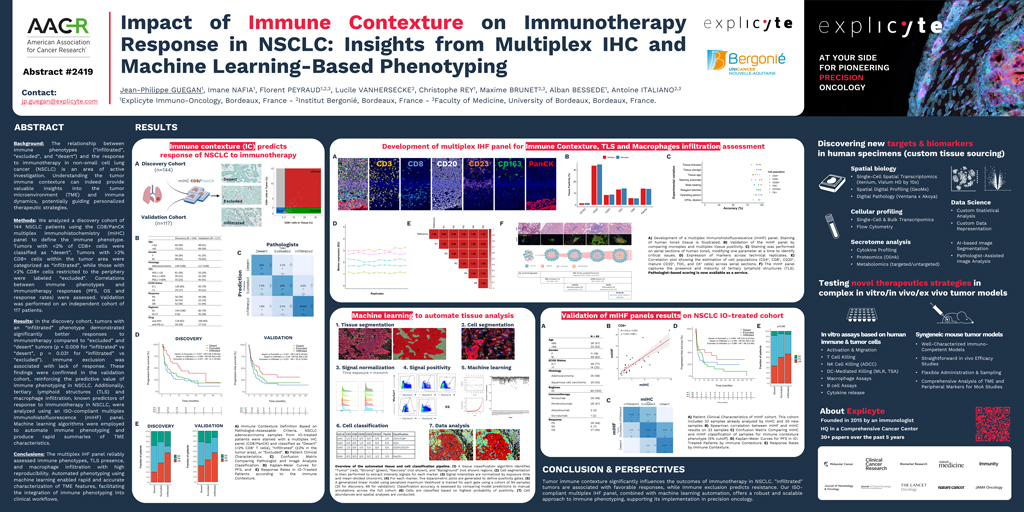
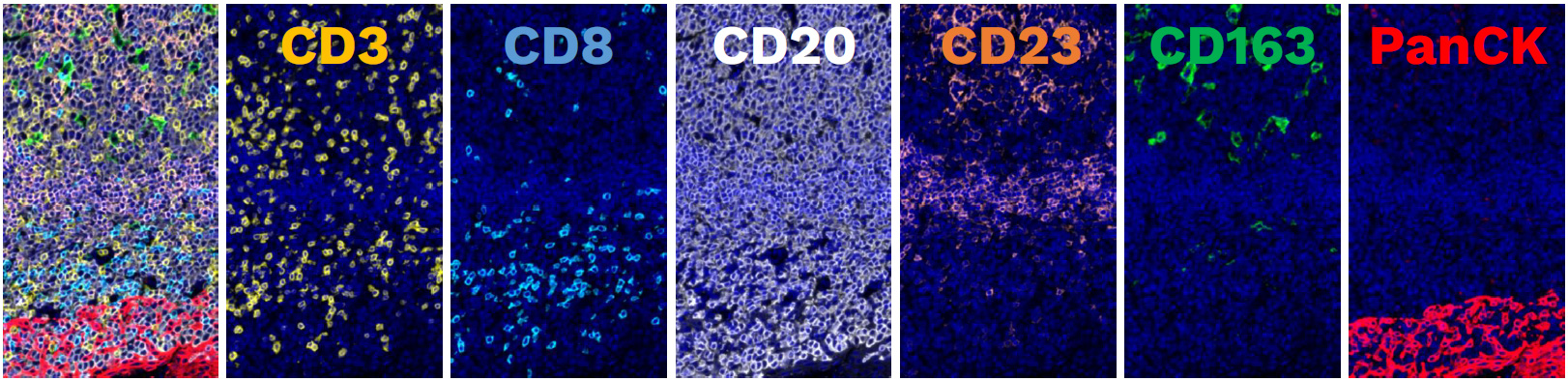
Building on these findings, we developed and validated a multiplex immunofluorescence (mIF) panel that integrates immune contexture, TLS presence and maturity, and macrophage infiltration in a single assay. First presented at the 2025 AACR Annual Meeting, this panel is designed to support translational research and early-phase trials in NSCLC.
Why immune contexture matters
Immune checkpoint inhibitors have transformed cancer treatment, but responses remain highly variable. One reason is that the anti-tumor immune response depends not only on whether immune cells are present, but also on where they are located. This is the principle behind immune contexture.
Tumors can be broadly grouped into three phenotypes based on CD8 spatial distribution:
- Infiltrated tumors contain CD8+ T cells within the tumor area.
- Excluded tumors show CD8+ T cells at the periphery, without effective penetration into the tumor parenchyma.
- Desert tumors display little to no CD8+ T-cell presence.
This spatial organization is informative because it reflects distinct mechanisms of anti-tumor immunity, immune suppression, or immune escape. Immune contexture does more than label tumors as “hot” or “cold”: it helps explain whether T cells are present, whether they can reach cancer cells, and whether the local microenvironment is permissive or suppressive.
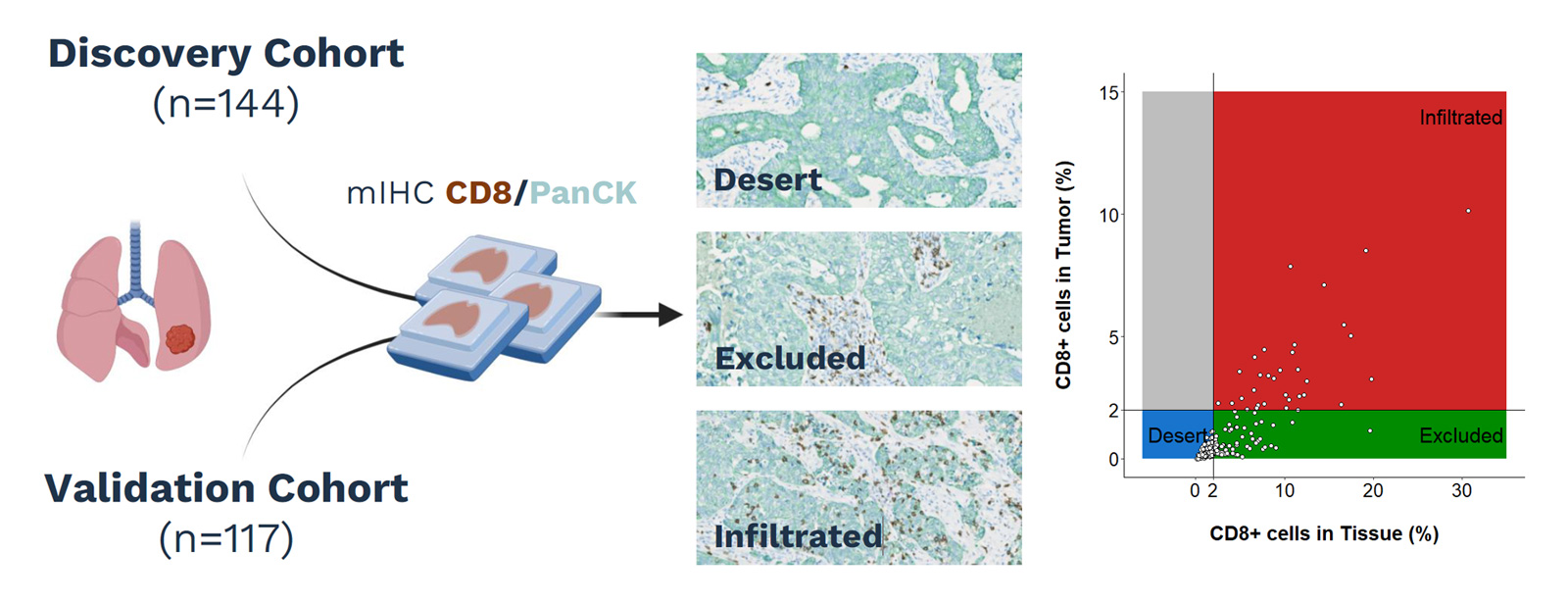
Using a CD8/PanCK multiplex IHC panel, our AACR poster showed that infiltrated, excluded, and desert phenotypes are associated with different outcomes under immune checkpoint blockade in NSCLC. In both the discovery and validation cohorts, infiltrated tumors were associated with better responses, while immune exclusion was linked to resistance. These results reinforce the value of immune contexture as a spatial biomarker for patient selection.
Why combine it with TLS and M2 macrophages
Immune contexture is highly informative, but it does not capture the full complexity of the tumor microenvironment. To obtain a broader and more actionable spatial readout, we combined it with two additional components that are strongly linked to immunotherapy response in NSCLC: tertiary lymphoid structures (TLS) and M2-like tumor-associated macrophages.
Tertiary lymphoid structures (TLS) reflect the capacity of the tumor microenvironment to support local immune activation. By enabling antigen presentation, lymphocyte priming, and coordinated immune responses, they can favor effective anti-tumor immunity and improve sensitivity to immune checkpoint inhibitors. Their presence, proximity to the tumor, and especially their maturity, therefore provides important information on the quality of the local immune response. This is consistent with the Nature Cancer publication we co-authored in 2021, which identified mature TLS as a predictive feature of immunotherapy efficacy.
M2-like tumor-associated macrophages are major drivers of immunosuppressive signaling within the tumor microenvironment. By promoting tissue remodeling, dampening cytotoxic immune responses, and contributing to barriers against effective T-cell activity, they can support resistance to immunotherapy. Their spatial distribution within the tumor compartment therefore helps capture a distinct mechanism of immune escape that complements immune contexture analysis. This is supported by our 2022 Journal for ImmunoTherapy of Cancer publication on macrophage infiltration and immunotherapy response in NSCLC.
By integrating these three biomarkers into a single panel, we can generate a more complete spatial readout of the tumor immune landscape than with any marker alone.
A panel designed for spatial biology at scale
One of the strengths of this approach is that it goes beyond staining alone. The panel is paired with an automated tissue analysis workflow that includes tissue segmentation, cell segmentation, signal normalization, marker positivity scoring, machine learning-based classification, and downstream spatial analysis. This enables complex spatial information to be translated into standardized outputs with pathologist-guided interpretability and high reproducibility.
Our AACR poster also showed concordance between this broader mIF assay and immune-contexture classification derived from the CD8/PanCK multiplex IHC approach in an NSCLC immunotherapy-treated cohort (N=60). Together, these results support the robustness of the panel for translational use and its compatibility with scalable tissue analysis workflows.
Download our 2025 AACR poster
Applications for translational research and early-phase trials, beyond NSCLC
Implemented within Explicyte’s ISO 13485- and ISO 9001-certified quality framework, this integrated panel is particularly relevant for translational research and early-phase trials in precision oncology. It can support biomarker discovery, patient stratification, responder versus non-responder analyses, mechanism-of-action studies, and exploratory enrichment strategies in immunotherapy trials.
Although developed in NSCLC, the same approach may be valuable in other indications where spatial immune organization is likely to influence response, including head and neck cancer, urothelial carcinoma, melanoma, renal cell carcinoma, and selected breast or gastrointestinal tumors. Sarcoma is also a relevant setting, as illustrated by the PEMBROSARC TLS-positive soft-tissue sarcoma study published in Nature Medicine in collaboration with Institut Bergonié and Gustave Roussy.
Interested in bringing spatial immune profiling into your precision oncology program? Contact our team to discuss how this panel could support your next study.
https://youtu.be/bmokMO6jCHc?si=6tz9CLxEy1R_0uHo
As a first biomarker assay developed under this quality management system, Explicyte now offers a multiplex immunofluorescence (IF) test to detect and score tertiary lymphoid structures (TLS) in tumor samples, supporting the identification of patients most likely to benefit from cancer immunotherapies.
https://youtu.be/bmokMO6jCHc
A 10-year track record in histopathology for immuno-oncology programs
Building on more than ten years of experience in digital pathology and translational immuno-oncology programs, Explicyte has validated 150+ tumor and immune markers across sponsored studies. The company integrates in-house FFPE tissue processing, automated IHC and IF staining, high-throughput whole-slide imaging, and standardized scoring workflows (AI- and/or pathologist-assisted) to deliver biomarker assays with high reproducibility across cohorts.
Enabling clinical-grade biomarker programs & future companion diagnostics
“Our move into clinical biomarkers is being driven by the rapid expansion of precision oncology. Drug developers increasingly rely on predictive tissue biomarkers to guide patient selection and trial stratification,” said Alban Bessède, PhD, founder and CEO of Explicyte. “While we already had the technological platforms and scientific expertise, ISO certification was essential to support sponsors at clinical stages. ISO 13485 also opens up new perspectives for the development of companion diagnostics for oncology programs.”
First validated clinical biomarker panel: multiplex TLS assessment in tumor tissues
As part of its ISO-certified tissue biomarker offering, Explicyte has developed a multiplex IF panel enabling standardized detection and scoring of TLS in tumor samples. Over the past five years, Explicyte has contributed to several translational studies published in journals such as Nature Cancer and Nature Medicine, which established the clinical relevance of TLS presence and maturity as a predictive biomarker of response to cancer immunotherapies. This validated assay, interpreted by trained pathologists, is now available for routine TLS screening in oncology clinical trials.
Biomarker services to be extended toward single-cell spatial biology
In addition to histopathology, Explicyte continues to invest in advanced translational technologies. In 2025, the company expanded its capabilities with the 10x Genomics suite of single-cell and spatial biology technologies, for which it obtained 10x Genomics’ Certified Service Provider designation.
“Our goal over the next year is to expand our ISO-certified biomarker framework to include single-cell and spatial transcriptomics workflows, as clinical programs increasingly move toward multi-omic, tissue-resolved readouts,” added Dr. Bessède.
About Explicyte's ISO-certified clinical biomarker services
Explicyte is certified ISO 13485:2016 and ISO 9001:2015 by Euro-Quality System (certificates 260133/1637F/1 and 260133/1637F/2) to support precision oncology trials with:
• Design and development of novel tissue biomarkers (single-plex and multiplex IHC/IF panels)
• Tissue biomarker testing services to support therapeutic decision-making
About Explicyte
Explicyte is a contract research organization specializing in precision oncology. Founded in 2015 by immunologist Dr. Alban Bessède, the company has supported over 100 biotech and pharmaceutical partners in the discovery and development of novel therapies for solid tumors. Based at the Institut Bergonié Comprehensive Cancer Center in Bordeaux, Explicyte brings together a multidisciplinary team of 25 scientists, including cell biologists, digital pathologists, medical oncologists, and data scientists. Over the past five years, Explicyte has co-authored 30+ peer-reviewed publications on the molecular mechanisms of response to cancer immunotherapies.
For more information, visit www.explicyte.com
Press contact: Explicyte – Pierre-Emmanuel GAULTIER - pe.gaultier@explicyte.com
🔬 What’s inside?
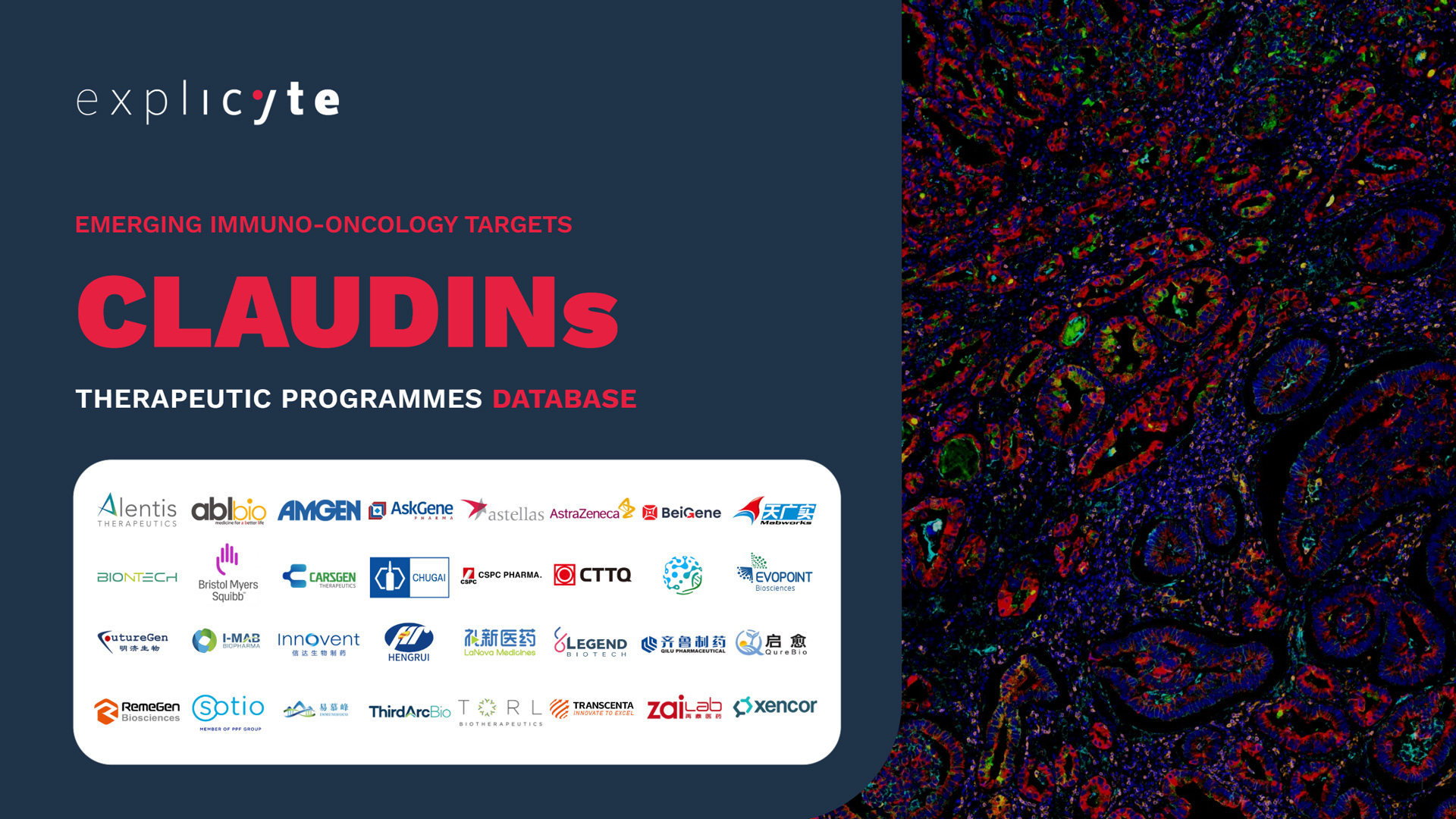
✅ 43 preclinical & clinical programs targeting CLDN1, CLDN4, CLDN6, or CLDN18.2
✅ Multiple modalities: mAbs (8), bispecifics (14), antibody-drug conjugates (15), CAR T cells (5)
✅ Across clinical stages: Phase I (17), Phase II (4), Phase III (10)
Featuring anti-claudin programs from leading players, including:
Alentis Therapeutics, ABL Bio, Amgen, AskGene Pharma, Astellas, AstraZeneca, BeiGene, Beijing Mabworks Biotech, BeOne Medicines, BioNTech, Bristol Myers Squibb, CARsgen Therapeutics, Chugai Pharmaceutical, CSPC ZhongQi Pharmaceutical Technology, CTTQ, Essen Biotech, Evopoint Biosciences, FutureGen Biopharmaceutical, I-Mab Biopharma, Innovent Biologics, Jiangsu Hengrui, Keymed Biosciences, LaNova Medicines, Legend Biotech, Qilu Pharmaceutical, QureBio, RemeGen, SOTIO, Suzhou Immunofoco Biotechnology, Third Arc Bio, TORL Biotherapeutics, Transcenta Therapeutics, Xencor, and Zai Lab.
Looking for a partner to advance your IO program?
Explicyte supports biotech, pharma, and AI players at every stage:
- Target discovery: We source human tumor specimens to identify and validate new therapeutic targets, leveraging multi-omic and spatial biology approaches.
- Preclinical development: With 10 years of experience assessing novel IO candidates—from hit-to-lead to pre-IND studies —we use advanced cellular models to document the efficacy, MoA and safety profile of your lead compound
- Clinical trials: ISO-certified for the development and testing of IHC/IHF-based biomarkers in clinical samples, we support patient selection and can also monitor early pharmacodynamic signals in peripheral samples.
Explicte: Precision Oncology & Immuno-Oncology CRO – From Target Discovery to Clinical Insight
Explicyte immuno-oncology offers preclinical contract research services for cancer immunotherapy drug discovery and translational research services. Our preclinical CRO services include the cell-based assays – for the phenotypic screening of novel immunotherapeutics and the in vitro determination of the molecular mechanism of action of new anti-cancer immune modulators. In addition, we provide translational services in immuno-oncology. Working with patient biopsies (liquid or solid samples), we can assist clinicians in the discovery of novel cancer targets and biomarkers of cancer immunotherapies. In the context of clinical trials, we offer biomarker testing and biomarker research services. Our flow cytometry team has a 10-year expertise in biomarker analysis in plasma, serum, and PBMC samples. We also offer to analyze tumor biopsies using our spatial biology platform, combining digital pathology, single-cell spatial transcriptomics (Xenium), and digital spatial profiling (spatial transcriptomics using the Nanostring GeoMx ). Our Omics capacities also include single-cell RNA sequencing (10x Chromium) and Olink-based proteomics. All our drug development services for cancer immunotherapy are performed in Bordeaux, France, serving clients all around the world, including sponsors in Europe (EU and outside), Germany, Belgium, Spain, UK, USA, Canada, Japan, and Korea.