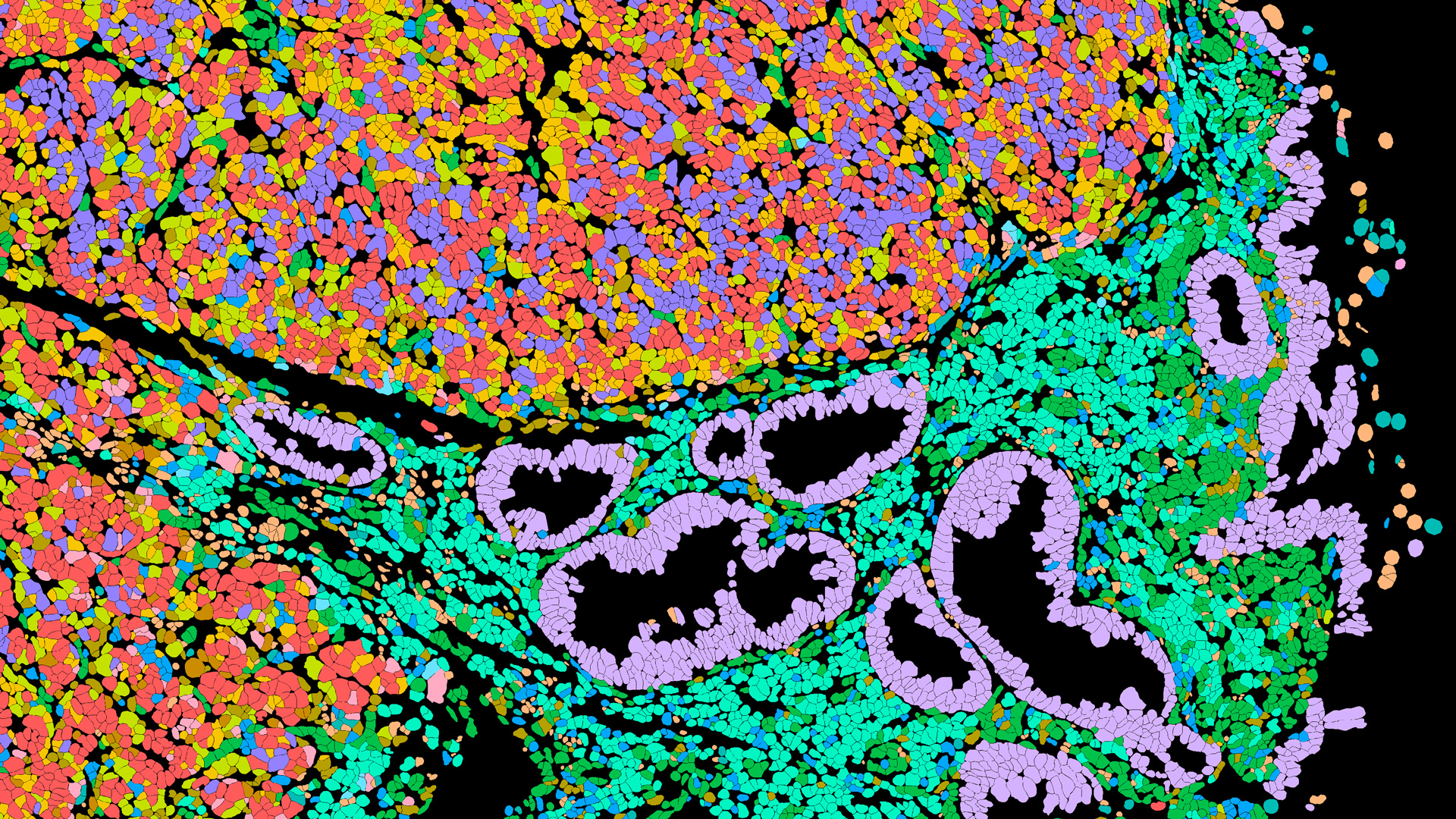
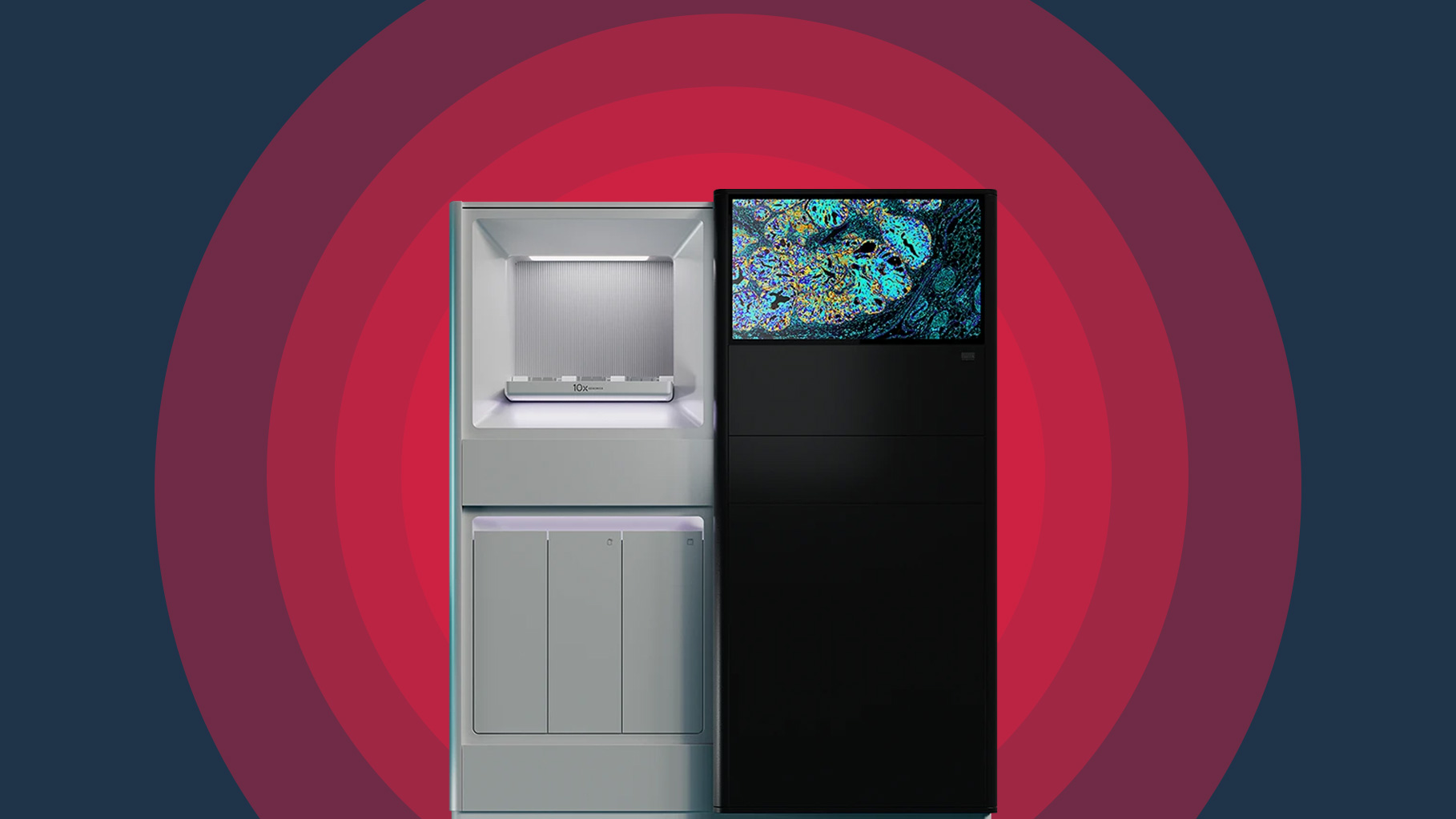
Since 2025, Explicyte has been a 10x Genomics Certified Service Provider across Xenium, Visium HD, and Chromium X platforms. Most of our single-cell and spatial transcriptomics projects using 10x Genomics platfoms are performed on FFPE tumor tissues with Flex workflows. This combination allows to unlock the value of large retrospective tissue archives and connect molecular profiles with clinical annotations, treatment history, and patient outcomes.
However, datasets generated with 10x Genomics platforms are complex. Single-cell and spatial transcriptomics data are dense, but they can also be noisy and difficult to interpret without dedicated bioinformatics expertise. When internal resources are limited, data analysis can become a bottleneck at the final stage of a study, delaying biological interpretation and decision-making.
In this short presentation, Jean-Philippe Guégan, Chief Technology Officer at Explicyte, explains how our data science team processes and interprets datasets generated with 10x Genomics platforms.
In a nutshell, at Explicyte, our data science services provide:
Fast turnaround Custom data analysis reports delivered within 4 weeks.
AI-supported workflows with human expertise A team of 4 on-site data scientists delivers tailored reports combining robust computational pipelines with biological interpretation.
Strong expertise in FFPE-based oncology Our team has extensive experience analyzing FFPE tumor samples across single-cell, spatial transcriptomics, and digital pathology workflows, as illustrated by our latest publications.
Predicting which NSCLC patients will benefit from immunotherapy requires more than measuring a single biomarker. Our previous work has helped show that key spatial features of the tumor microenvironment—such as mature tertiary lymphoid structures (Nature Cancer, 2021; Cell Reports Medicine, 2025) and macrophage infiltration within the tumor compartment (Journal for ImmunoTherapy of Cancer, 2022)—are closely associated with treatment outcome.
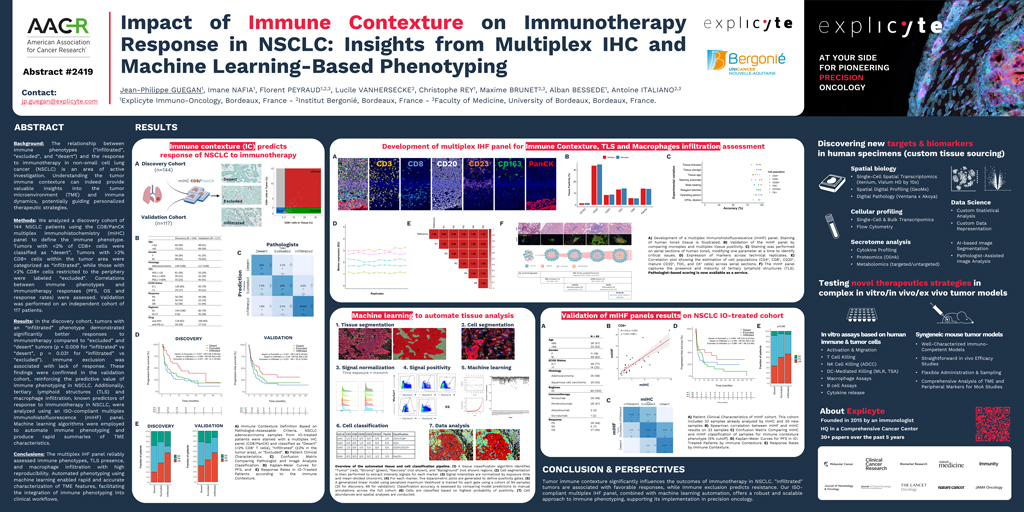
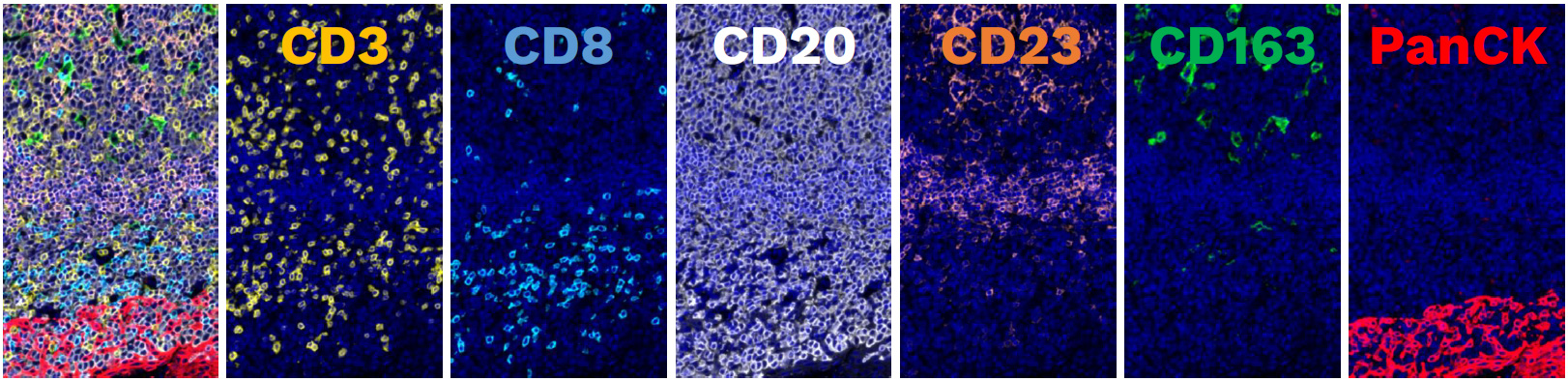
Building on these findings, we developed and validated a multiplex immunofluorescence (mIF) panel that integrates immune contexture, TLS presence and maturity, and macrophage infiltration in a single assay. First presented at the 2025 AACR Annual Meeting, this panel is designed to support translational research and early-phase trials in NSCLC.
Why immune contexture matters
Immune checkpoint inhibitors have transformed cancer treatment, but responses remain highly variable. One reason is that the anti-tumor immune response depends not only on whether immune cells are present, but also on where they are located. This is the principle behind immune contexture.
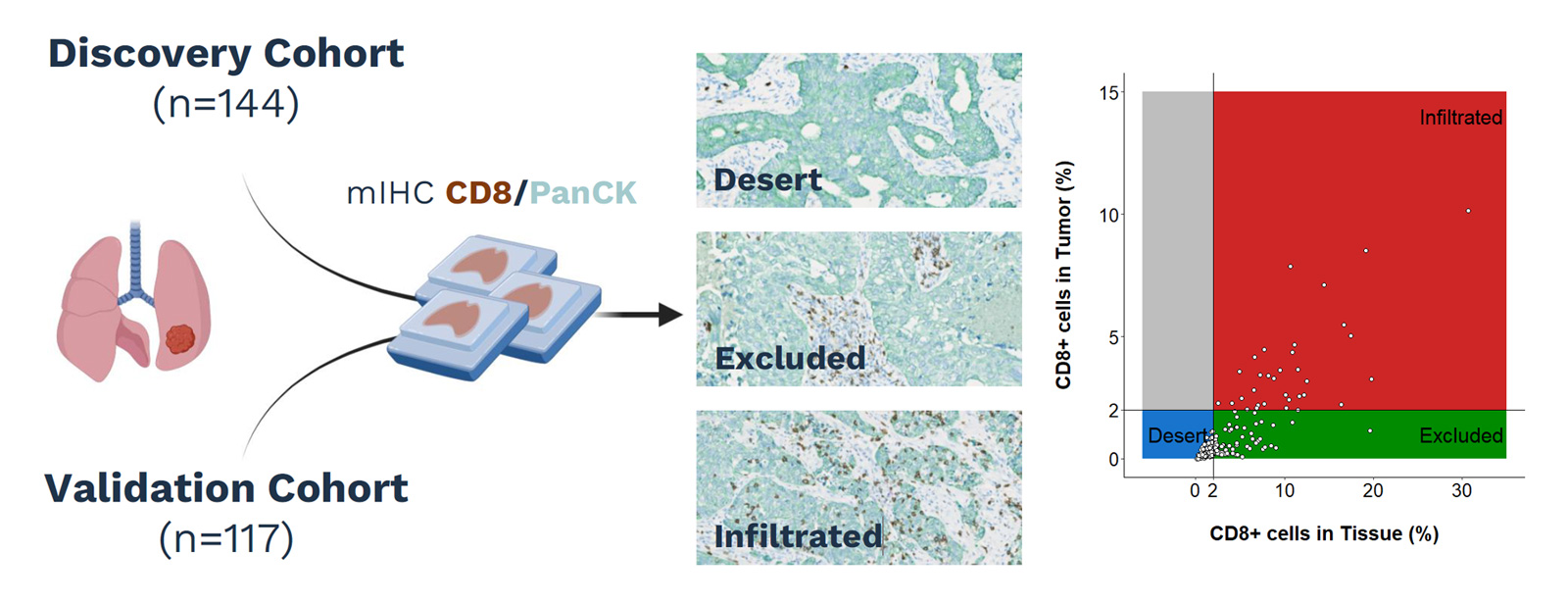
Tumors can be broadly grouped into three phenotypes based on CD8 spatial distribution:
Infiltrated tumors contain CD8+ T cells within the tumor area.
Excluded tumors show CD8+ T cells at the periphery, without effective penetration into the tumor parenchyma.
Desert tumors display little to no CD8+ T-cell presence.
This spatial organization is informative because it reflects distinct mechanisms of anti-tumor immunity, immune suppression, or immune escape. Immune contexture does more than label tumors as “hot” or “cold”: it helps explain whether T cells are present, whether they can reach cancer cells, and whether the local microenvironment is permissive or suppressive.
Using a CD8/PanCK multiplex IHC panel, our AACR poster showed that infiltrated, excluded, and desert phenotypes are associated with different outcomes under immune checkpoint blockade in NSCLC. In both the discovery and validation cohorts, infiltrated tumors were associated with better responses, while immune exclusion was linked to resistance. These results reinforce the value of immune contexture as a spatial biomarker for patient selection.
Why combine it with TLS and M2 macrophages
Immune contexture is highly informative, but it does not capture the full complexity of the tumor microenvironment. To obtain a broader and more actionable spatial readout, we combined it with two additional components that are strongly linked to immunotherapy response in NSCLC: tertiary lymphoid structures (TLS) and M2-like tumor-associated macrophages.
Tertiary lymphoid structures (TLS) reflect the capacity of the tumor microenvironment to support local immune activation. By enabling antigen presentation, lymphocyte priming, and coordinated immune responses, they can favor effective anti-tumor immunity and improve sensitivity to immune checkpoint inhibitors. Their presence, proximity to the tumor, and especially their maturity, therefore provides important information on the quality of the local immune response. This is consistent with the Nature Cancer publication we co-authored in 2021, which identified mature TLS as a predictive feature of immunotherapy efficacy.
M2-like tumor-associated macrophages are major drivers of immunosuppressive signaling within the tumor microenvironment. By promoting tissue remodeling, dampening cytotoxic immune responses, and contributing to barriers against effective T-cell activity, they can support resistance to immunotherapy. Their spatial distribution within the tumor compartment therefore helps capture a distinct mechanism of immune escape that complements immune contexture analysis. This is supported by our 2022 Journal for ImmunoTherapy of Cancer publication on macrophage infiltration and immunotherapy response in NSCLC.
By integrating these three biomarkers into a single panel, we can generate a more complete spatial readout of the tumor immune landscape than with any marker alone.
A panel designed for spatial biology at scale
One of the strengths of this approach is that it goes beyond staining alone. The panel is paired with an automated tissue analysis workflow that includes tissue segmentation, cell segmentation, signal normalization, marker positivity scoring, machine learning-based classification, and downstream spatial analysis. This enables complex spatial information to be translated into standardized outputs with pathologist-guided interpretability and high reproducibility.
Our AACR poster also showed concordance between this broader mIF assay and immune-contexture classification derived from the CD8/PanCK multiplex IHC approach in an NSCLC immunotherapy-treated cohort (N=60). Together, these results support the robustness of the panel for translational use and its compatibility with scalable tissue analysis workflows.
Download our 2025 AACR poster
Applications for translational research and early-phase trials, beyond NSCLC
Implemented within Explicyte’s ISO 13485- and ISO 9001-certified quality framework, this integrated panel is particularly relevant for translational research and early-phase trials in precision oncology. It can support biomarker discovery, patient stratification, responder versus non-responder analyses, mechanism-of-action studies, and exploratory enrichment strategies in immunotherapy trials.
Although developed in NSCLC, the same approach may be valuable in other indications where spatial immune organization is likely to influence response, including head and neck cancer, urothelial carcinoma, melanoma, renal cell carcinoma, and selected breast or gastrointestinal tumors. Sarcoma is also a relevant setting, as illustrated by the PEMBROSARC TLS-positive soft-tissue sarcoma study published in Nature Medicine in collaboration with Institut Bergonié and Gustave Roussy.
Explicyte, a French precision oncology contract research organization (CRO), today announced that it has achieved ISO 13485:2016 and ISO 9001:2015 certifications for the design, development, and analysis of tissue-based clinical biomarkers to support precision oncology clinical trials. These certifications formalize Explicyte’s quality framework for delivering robust, reproducible, and traceable biomarker assays aligned with clinical-stage sponsor requirements.
A 10-year track record in histopathology for immuno-oncology programs
Building on more than ten years of experience in digital pathology and translational immuno-oncology programs, Explicyte has validated 150+ tumor and immune markers across sponsored studies. The company integrates in-house FFPE tissue processing, automated IHC and IF staining, high-throughput whole-slide imaging, and standardized scoring workflows (AI- and/or pathologist-assisted) to deliver biomarker assays with high reproducibility across cohorts.
“Our move into clinical biomarkers is being driven by the rapid expansion of precision oncology. Drug developers increasingly rely on predictive tissue biomarkers to guide patient selection and trial stratification,” said Alban Bessède, PhD, founder and CEO of Explicyte. “While we already had the technological platforms and scientific expertise, ISO certification was essential to support sponsors at clinical stages. ISO 13485 also opens up new perspectives for the development of companion diagnostics for oncology programs.”
First validated clinical biomarker panel: multiplex TLS assessment in tumor tissues
As part of its ISO-certified tissue biomarker offering, Explicyte has developed a multiplex IF panel enabling standardized detection and scoring of TLS in tumor samples. Over the past five years, Explicyte has contributed to several translational studies published in journals such as Nature Cancer and Nature Medicine, which established the clinical relevance of TLS presence and maturity as a predictive biomarker of response to cancer immunotherapies. This validated assay, interpreted by trained pathologists, is now available for routine TLS screening in oncology clinical trials.
Biomarker services to be extended toward single-cell spatial biology
“Our goal over the next year is to expand our ISO-certified biomarker framework to include single-cell and spatial transcriptomics workflows, as clinical programs increasingly move toward multi-omic, tissue-resolved readouts,” added Dr. Bessède.
About Explicyte's ISO-certified clinical biomarker services
Explicyte is certified ISO 13485:2016 and ISO 9001:2015 by Euro-Quality System (certificates 260133/1637F/1 and 260133/1637F/2) to support precision oncology trials with:
• Design and development of novel tissue biomarkers (single-plex and multiplex IHC/IF panels)
• Tissue biomarker testing services to support therapeutic decision-making
About Explicyte
Explicyte is a contract research organization specializing in precision oncology. Founded in 2015 by immunologist Dr. Alban Bessède, the company has supported over 100 biotech and pharmaceutical partners in the discovery and development of novel therapies for solid tumors. Based at the Institut Bergonié Comprehensive Cancer Center in Bordeaux, Explicyte brings together a multidisciplinary team of 25 scientists, including cell biologists, digital pathologists, medical oncologists, and data scientists. Over the past five years, Explicyte has co-authored 30+ peer-reviewed publications on the molecular mechanisms of response to cancer immunotherapies.
Explicyte supports biotech, pharma, and AI players at every stage:
Target discovery: We source human tumor specimens to identify and validate new therapeutic targets, leveraging multi-omic and spatial biology approaches.
Preclinicaldevelopment: With 10 years of experience assessing novel IO candidates—from hit-to-lead to pre-IND studies —we use advanced cellular models to document the efficacy, MoA and safety profile of your lead compound
Clinical trials: ISO-certified for the development and testing of IHC/IHF-based biomarkers in clinical samples, we support patient selection and can also monitor early pharmacodynamic signals in peripheral samples.
Undifferentiated pleomorphic sarcoma (UPS) is one of the most common—and most aggressive—subtypes of soft tissue sarcoma (STS). Despite optimal treatment in localized stages, nearly half of patients ultimately develop metastatic disease, which drives poor outcomes.
To better understand the mechanisms underlying UPS metastasis, a team led by Prof. Antoine Italiano (Institut Bergonié, University of Bordeaux, INSERM U1312 BRIC) performed an integrated multi-omics analysis of paired primary and metastatic UPS samples, followed by functional validation in relevant patient-derived models.
Spatial biology (Explicyte)
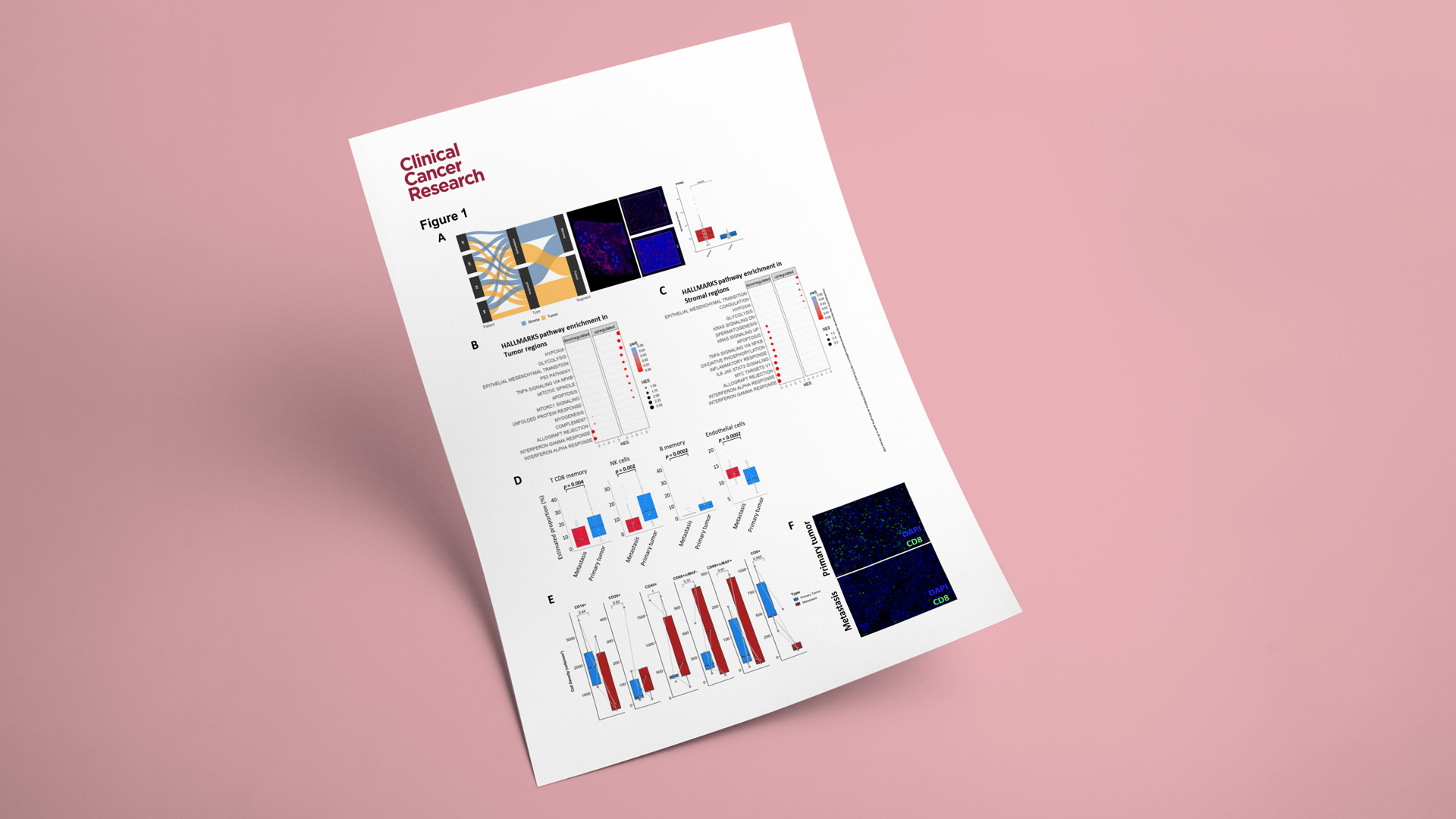
As part of this work, Explicyte performed spatial transcriptomic profiling using the GeoMx Digital Spatial Profiler (Whole Transcriptome Atlas; >18K genes). The spatial analyses were conducted on 3 paired primary tumors and matched metastases enabling a direct comparison of tumor and microenvironmental programs across disease stages.
Key observations included:
Upregulation of hypoxia, glycolysis, and EMT-related programs in metastases, consistent with a more aggressive, metastasis-associated biology.
Enrichment of endothelial-cell signatures in metastatic samples, suggesting increased angiogenesis compared with primary tumors.
Higher immune infiltration in primary tumors (including CD8+ T cells, NK cells, and memory B cells), supporting the notion of a more immune-suppressive / immune-excluded state in metastatic lesions.
To further support these findings, we confirmed a reduction in CD8+ T-cell infiltration in metastases using a multiplex immunohistofluorescence (mIHF) panel in five paired primary/metastatic cases.
Bulk RNAseq
In parallel, the team analyzed paired primary and metastatic tumor samples from 13 patients using bulk RNA-seq to capture global transcriptomic changes associated with metastatic progression. This analysis confirmed an enrichment of metastasis-associated pathways and identified 690 genes significantly altered between primary tumors and metastases. Among the top candidates, ADORA2B emerged as particularly compelling because:
ADORA2B encodes a G protein–coupled adenosine receptor (A2B) implicated in metastatic progression in several epithelial cancers,
ADORA2B is druggable, with inhibitors already being evaluated in clinical development programs.
Using public and third-party sarcoma datasets, the team further showed that ADORA2B is overexpressed in UPS and is associated with features of an immune-suppressive microenvironment in metastatic UPS—supporting ADORA2B as a promising therapeutic target in this indication.
Functional validation
To test whether ADORA2B plays a causal role in UPS aggressiveness, the authors generated ADORA2B knockout models using CRISPR-Cas9in two patient-derived UPS cell lines.
Transcriptomic profiling of ADORA2B-knockout cells confirmed downregulation of key pathways involved in metastatic biology.
Functional assays demonstrated that ADORA2B loss reduces UPS cell proliferation, migration, and invasion, supporting a direct role in tumor aggressiveness.
The in vivo impact was then evaluated in Rag2-/- γc-/- mice:
In an orthotopic model, tumors derived from ADORA2B-knockout cells showed markedly impaired growth, leading to significantly smaller, low-proliferating tumors compared with controls.
In a forced metastasis model (tail-vein injection), ADORA2B-knockout cells produced substantially fewer metastases, translating into a striking survival benefit (100% survival in the knockout arm vs 0% in controls in this experimental setting).
Finally, the team evaluated a dual ADORA2A/ADORA2B inhibitor, M1069 (EMD Serono), currently assessed in early-phase trials. In vitro, M1069 reduced proliferation and invasion in UPS models, providing pharmacological support for the genetic findings.
Impact
Overall, this work identifies ADORA2B as a critical regulator of primary tumor growth and metastatic dissemination in UPS. It also highlights the therapeutic promise of targeting the adenosine axis, and specifically ADORA2B, as a strategy to disrupt metastatic progression and improve outcomes in this rare and aggressive cancer.
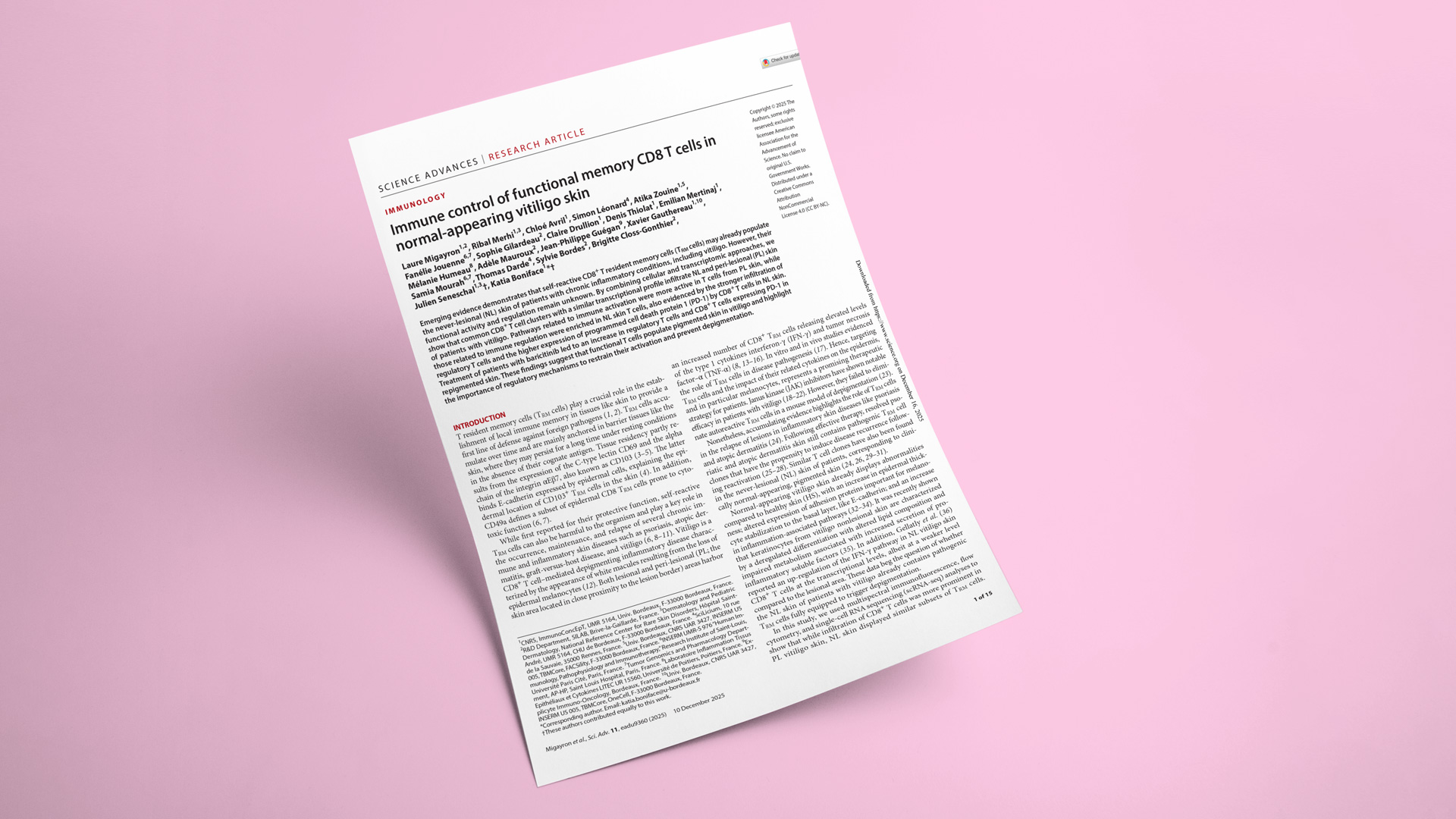
Using single-cell and spatial transcriptomics profiling of vitiligo patient biopsies, the team demonstrates that similar CD8+ T-cell clusters infiltrate both lesional and non-lesional skin. The difference lies in the “regulatory layer”: normal-appearing skin is characterized by an enrichment in immune regulatory pathways (increased Treg infiltration and higher PD-1 expression on CD8+ T cells), consistent with tighter regulation of inflammation.
Building on the Phase 2 BARVIT trial (NCT04822584), which showed a clinical benefit of baricitinib combined with phototherapy for repigmentation, ImmunoConcEpT partnered with Explicyte to perform a paired pre/post immune profiling of skin biopsies using our automated multiplex IF workflow.
Our multiplex IF data support the proposed mechanism; after 9 months of treatment, non-lesional skin exhibits:
• reduced CD8+ T-cell infiltration
• increased PD-1 on CD8+ T cells and PD-L1 on dendritic cells
• an increased FOXP3+ / CD8+ T-cell ratio
Together, these results highlight the critical role of immune regulatory mechanisms to prevent inflammation & depigmentation in vitiligo.
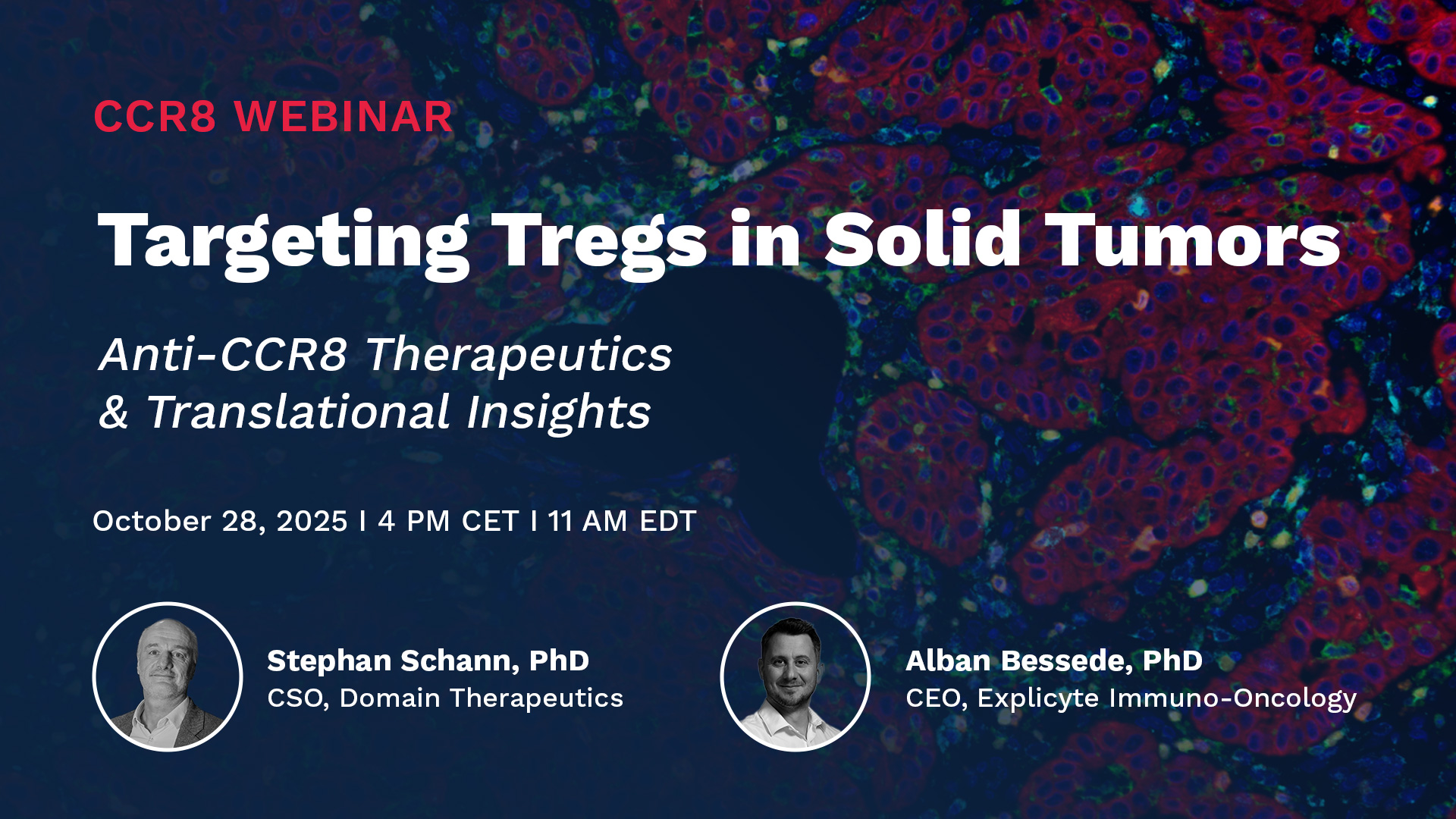
The discovery of regulatory T cells (Tregs) was honored with the 2025 Nobel Prize in Medicine, underscoring their central role in immune suppression. In this webinar, we will explore one of the most promising directions in immuno-oncology: CCR8⁺ Tregs. With Domain Therapeutics, a clinical-stage biopharmaceutical company advancing novel GPCR-targeting therapies, and Explicyte, a CRO specialized in translational research and tumor microenvironment analysis, we’ll connect drug design to patient-anchored evidence in solid tumors—showing how CCR8 can serve as both a therapeutic target and a predictive biomarker.
Anti-CCR8 Antibodies: From Treg Depletion to Immune Reawakening Stephan Schann, PhD – CSO, Domain Therapeutics
Dr. Schann will present Domain’s novel differentiated strategy for selective Treg depletion and introduce DT-7012, its clinical Treg-depleting anti-CCR8 antibody candidate. He will outline the clinical rationale for targeting CCR8 in solid tumors, highlight DT-7012’s differentiation from other anti-CCR8 antibodies currently in the clinic, and show how this best-in-class candidate is engineered to overcome immune resistance and deliver durable responses—even in CCL1-rich tumors and anti-PD-1-refractory settings.
CCR8⁺ Tregs and Their Correlation with Immunotherapy Response in Advanced NSCLC Alban Bessède, PhD – CEO, Explicyte
Dr. Bessède will present a collaborative study between Explicyte, Institut Bergonié, Gustave Roussy, and Bayer, analyzing an NSCLC cohort (BIP, NCT02534649) treated with standard-of-care immune checkpoint inhibitors. Using a validated 6-plex IHF panel, CCR8⁺ Tregs were quantified in pretreatment tumor samples and correlated with clinical outcomes (PFS, ORR), immune contexture (inflamed/infiltrated, excluded, or desert), PD-L1 TPS, and TLS status. The analysis highlights the differential predictive impact of CCR8⁺ Tregs in NSCLC, with a specific negative influence in TLS-positive tumors.
Wondering how single-cell spatial transcriptomics can fit into and support drug development pipelines? Alban Bessède, PhD, CEO of Explicyte, and Paloma Cejas, PhD, Chief of Biology at Cure51, will share their insights during a webinar organized by 10x Genomics on September 30th, 2025:
“Xenium for drug development: Analyzing cancer survivors, profiling lead compounds.”