

In vitro profiling
functional readouts across tumor–immune co-cultures, deep immune phenotyping, and cytokine/protein profiling to support MoA and resistance studies.
Translational studies
tissue and peripheral multi-omics to discover targets/biomarkers and interpret immune states and soluble factors in the context of spatial biology and digital pathology.
Early clinical PD
blood-based monitoring of on-treatment changes to provide early signals of target engagement and biological activity for dose/schedule optimization, stratification, and go/no-go decisions (immune subsets, activation/exhaustion markers, circulating protein signatures).
Experts
in Immuno-Oncology
- 10-year experience tumor micro-environment analysis & immune profiling
- 30+ peer-reviewed papers released over the past 5 years
- Comprehensive capacities in spatial biology to complement multi-omic data
Personalized
approach
- Custom study designs to fit your objective while optimizing turnaround time & cost
- A dedicated study director (PhD) to tailor the experimental plan to your need and discuss results
- In-house data science for fast decision-ready results






Your contacts

Talk to our team !
Paul Marteau, PharmD (preclinical study director), Imane Nafia, PhD (CSO), Loïc Cerf, MSc (COO), Alban Bessede, PhD (founder, CEO), Jean-Philippe Guégan, PhD (CTO)
Tell us about your project !
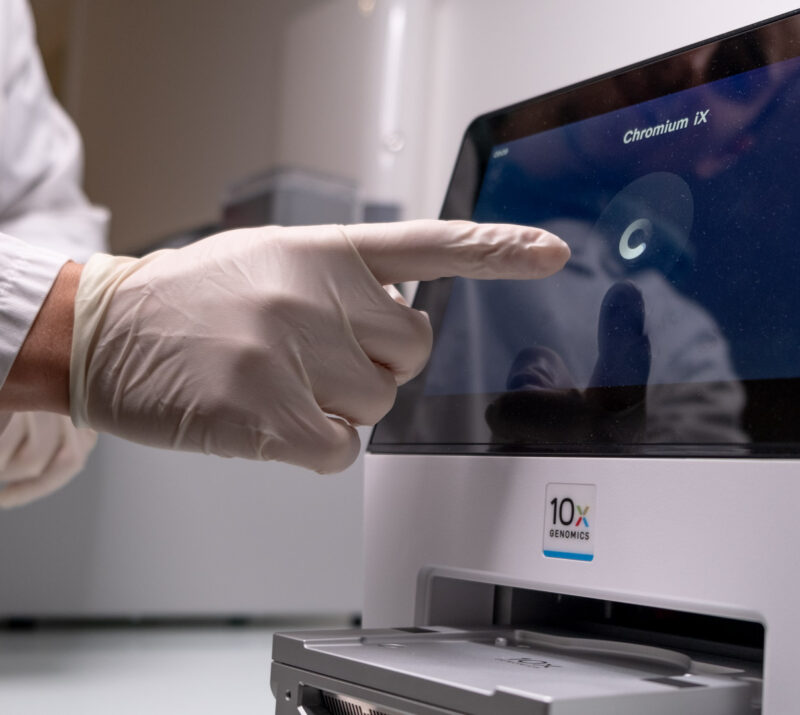
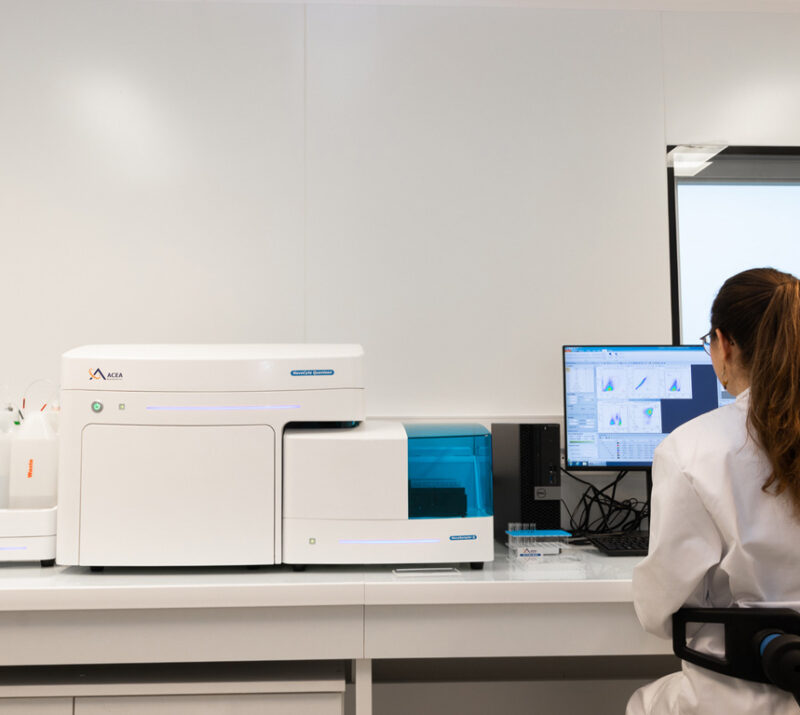
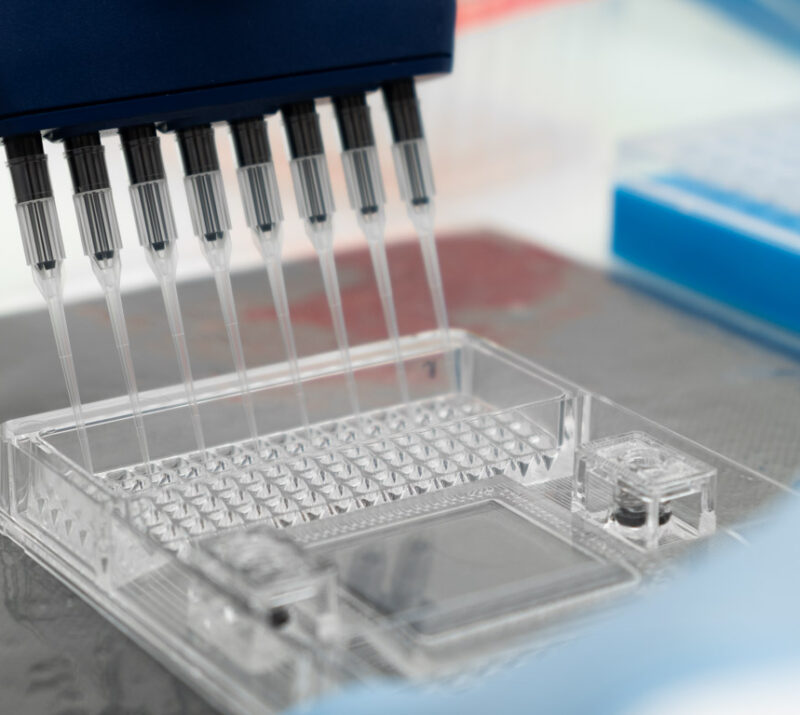
Explicyte’s multi-omics platforms are designed to bridge discovery, preclinical validation, and early clinical development using bulk tissue homogenates and peripheral samples. In preclinical programs, we combine functional in vitro readouts with deep immune profiling (flow cytometry), single-cell transcriptomics (Chromium X), and proteomics to characterize mechanism of action, map resistance pathways, and prioritize rational combinations. In translational biomarker and target analysis, these approaches help quantify immune states and soluble signals across tissues and biofluids, and complement tissue-based evidence generated by our spatial biology and digital pathology platforms. In early clinical trials, the same toolkit can monitor on-treatment pharmacodynamic effects in blood (e.g., immune cell subsets and activation states, circulating protein signatures), providing early signals of target engagement and biological activity to support dose/schedule decisions and patient stratification.